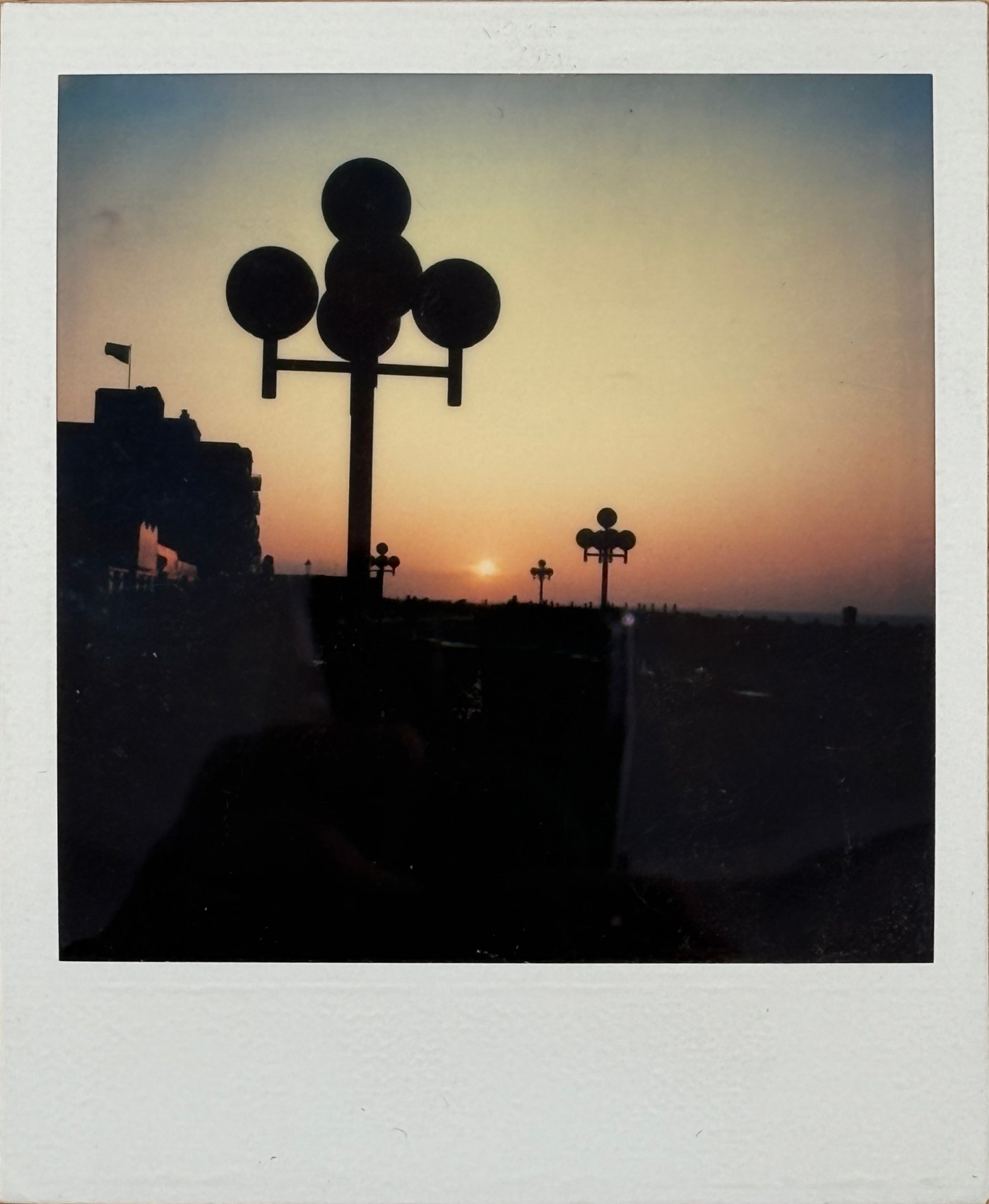
Until digital photography came along, photography involved a long delay between pressing the shutter and seeing the results. We had to wait for the development of the film and printing the results or wait for the slides to come back from the lab. And there was no way to see what you had photographed immediately and check if the exposure and focus was correct.
Some of us might have seen photographers in action using large cameras where the negative is developed inside the camera. These are paper negatives thus really low ISO like 6 or so. Trays with developer and fixer are inside the camera, that doubles up as a mini darkroom.
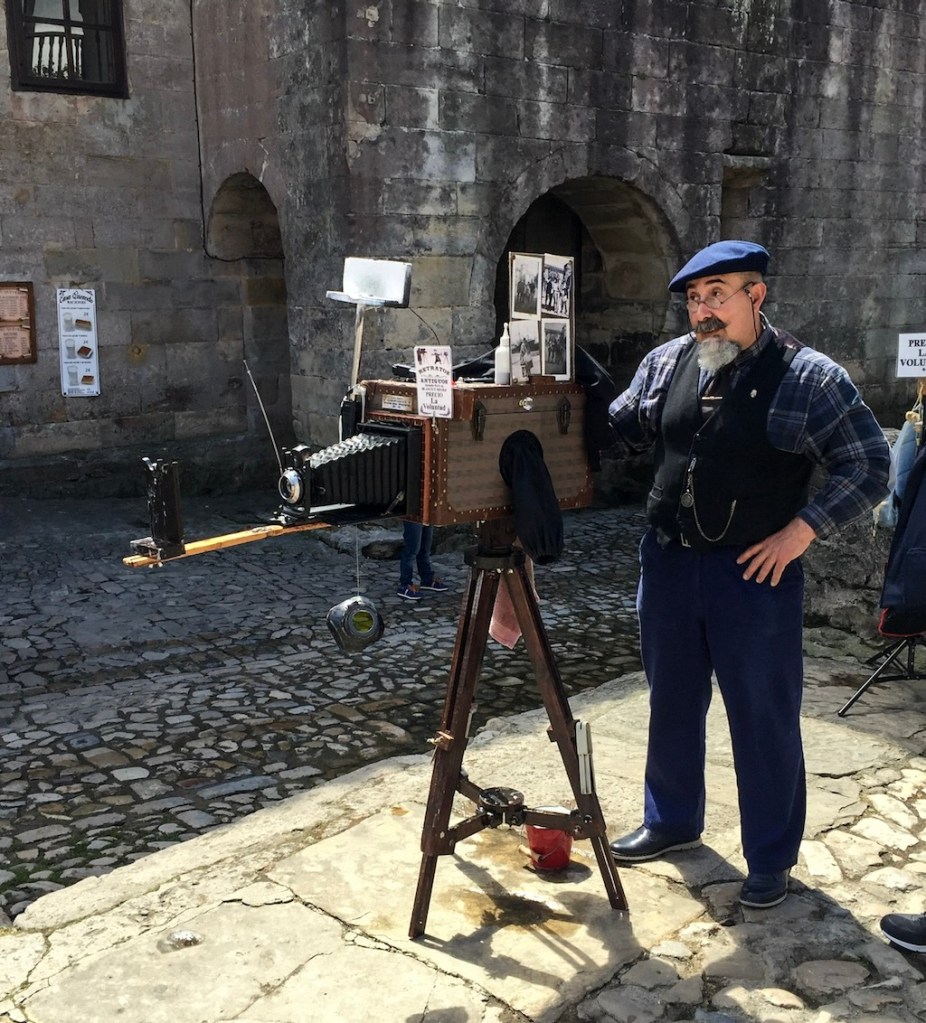
An “instant” photographer we spotted in Santillana del Mar in northern Spain. Note the black sleeves on the side, this allows the guy to get his hands in to develop and fix the paper negative. This is then placed at the end of the wooden stick and photographed to created a positive. Developed and fixed inside the camera and there we have it: an almost instant portrait photo!
But there was to be another way that started with Dr. Edwin Land. He was a prolific inventor who came up with a way to make polarising filters, and named his company Polaroid. Commercial production of polarising sheet started in 1936, for sunglasses and other uses.
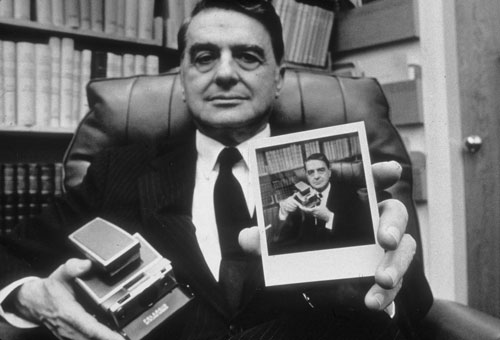
Edwin Land showing off a the SX70 camera.
Edwin Land later invented the instant camera, apparently after his daughter asked him in 1944 why she couldn’t see the photo her dad had just taken. From the initial idea to production took less than 4 years. Below the first instant camera, the Model 95 that went on sale in 1948.
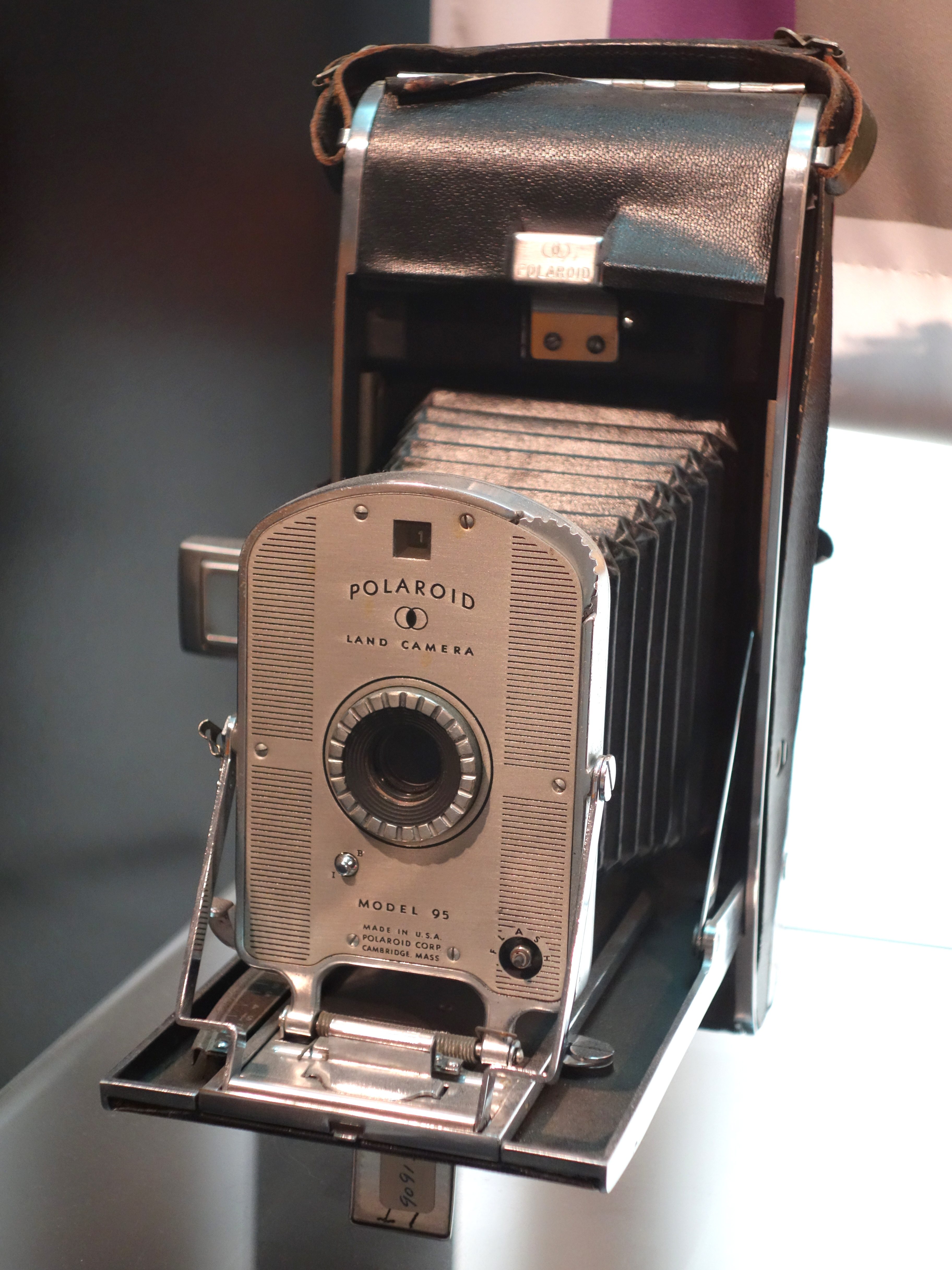
This camera used a peel apart roll film process where the negative was separated from the positive after coming out of the camera. First only in black and white but after several years of R&D also in colour.
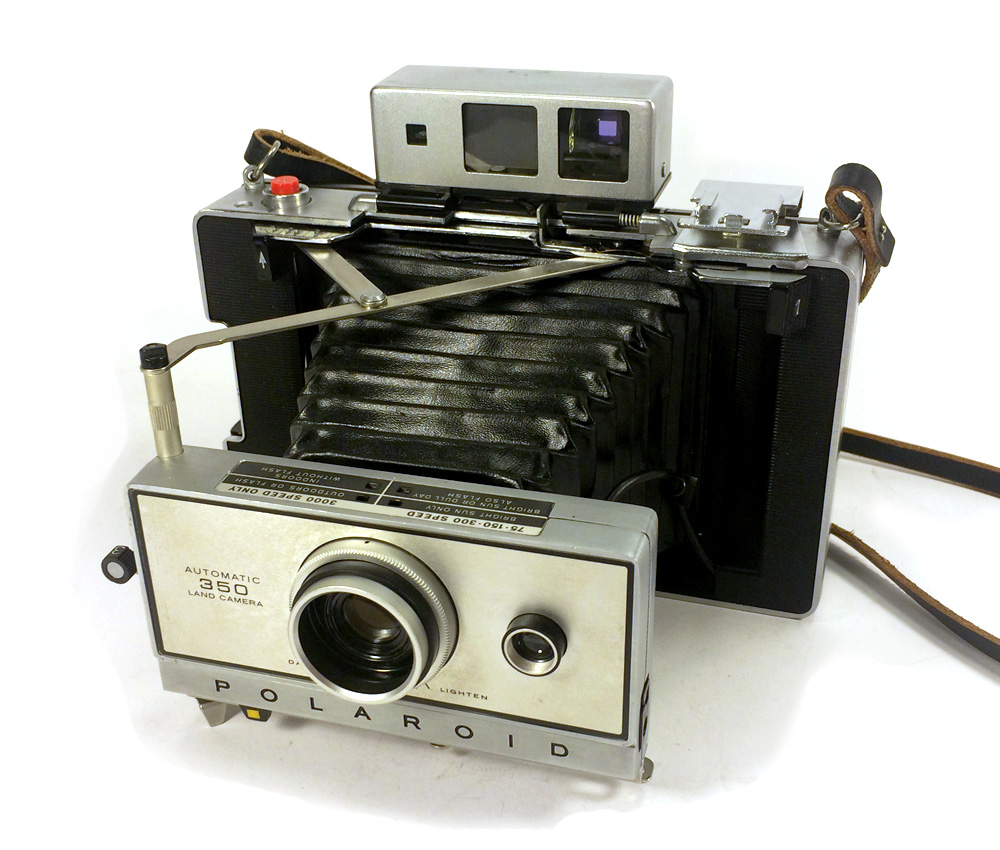
A later folding Polaroid 350 camera, used pack film instead of roll film. 1969-1971
Later cameras used film packs instead of roll film. As a student I worked part time in a photo shop, called Foto Lumo in Leidschendam, where we also took portraits and passport photos. For this we used a Hasselblad with two backs, one with conventional 120 roll film and another loaded with Polaroid film. Thus one was able to take a shot on Polaroid and show it to the client and if they were happy swap to the 120 film.
But even more fun was our Polaroid passport camera with four lenses. It could take 4 identical images at the same time or 4 different poses consecutively on a single sheet.
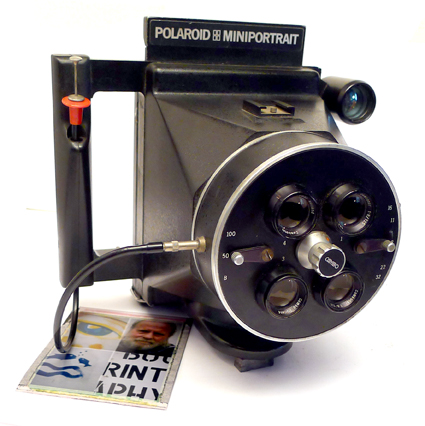
I think this is what we used, a CAMBO POLAROID MINIPORTRAIT MODEL 401
Made in Holland in the 1970’s. Four identical fixed focus lenses
Polaroid introduced the SX70 in 1972, a revolutionary folding SLR (yes that is right: a Single Lens Reflex camera). The film develops outside the camera in daylight as it had an opaque white layer on top, that protected the sensitive layer until it was fully developed. No more need for peel apart film! All the development happens inside the print, the chemicals are in a pod and squeezed over the emulsion as the film exits the camera between two rollers. The 10 shot film pack has a thin battery inside that powers the camera.
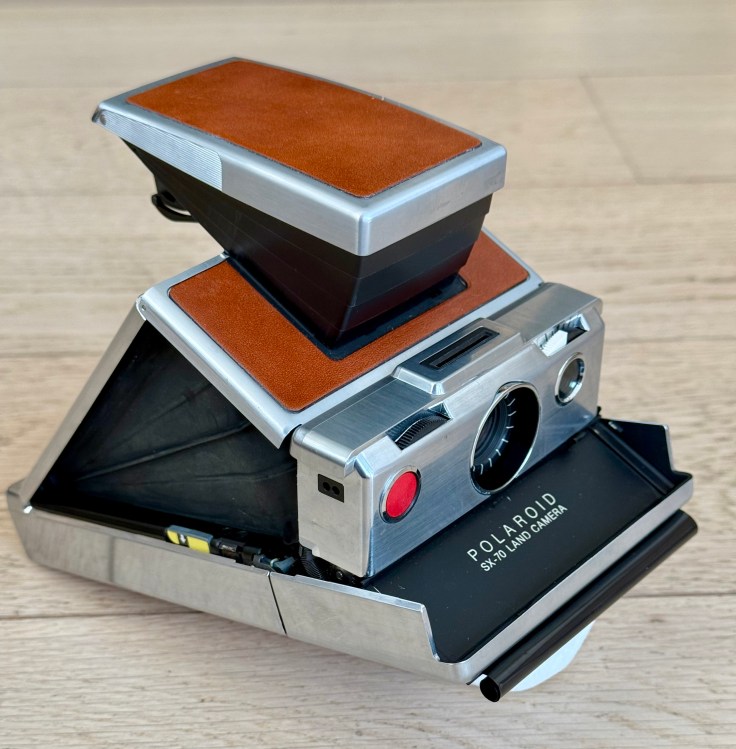
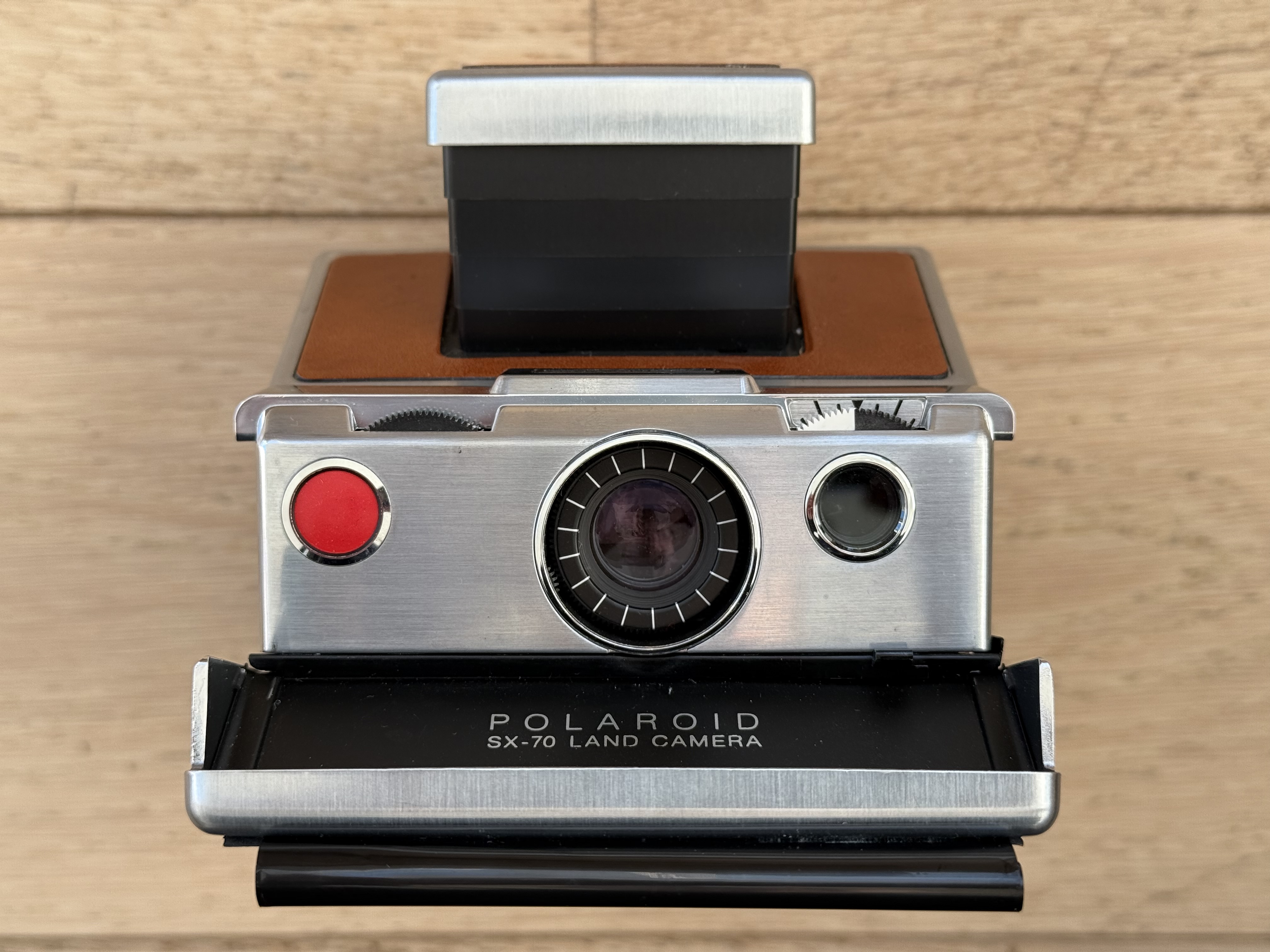
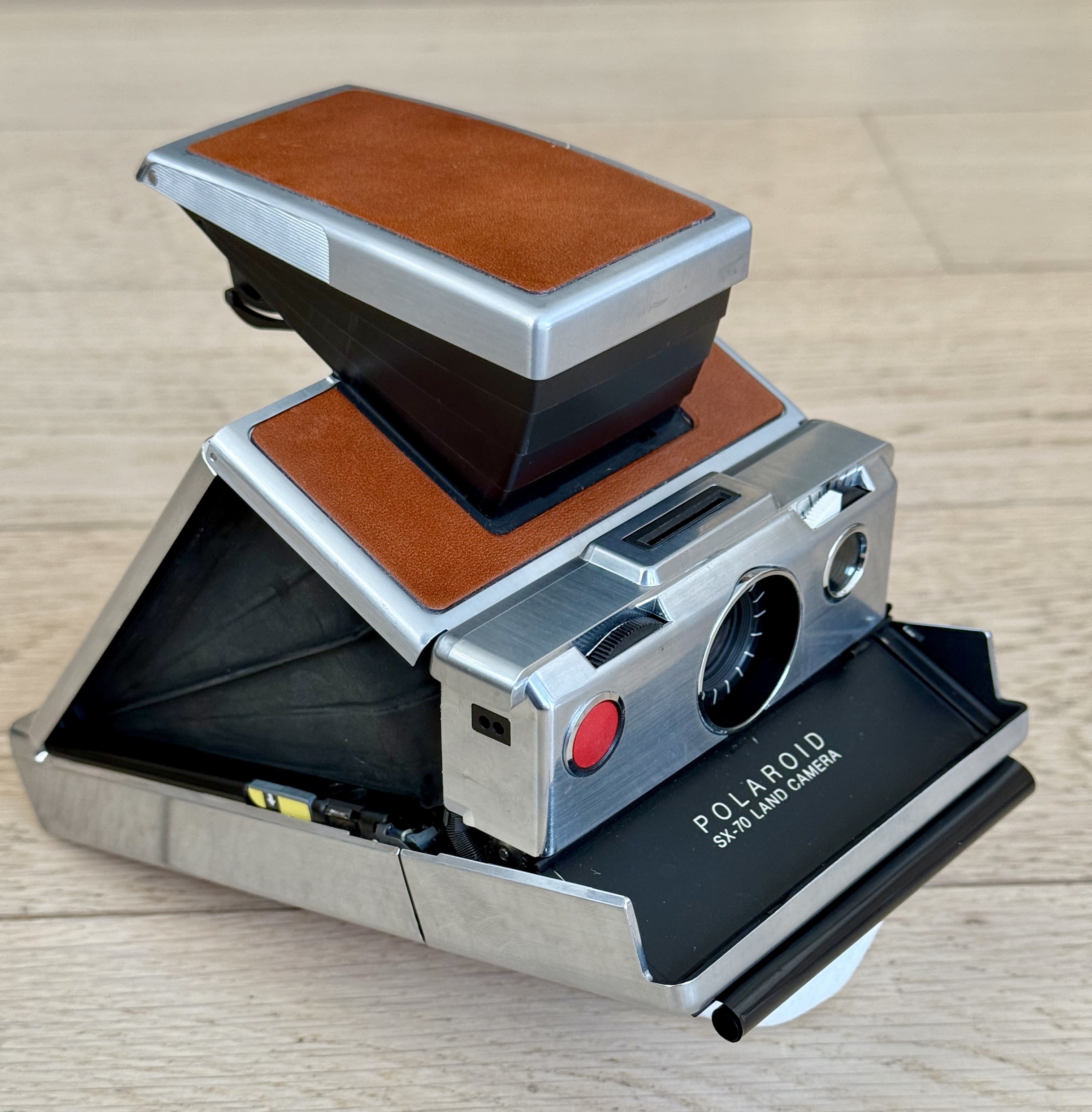
The Polaroid SX70 I inherited from my uncle, still working after 50 plus years. The size of the mirror means that there is a fairly loud wallop when it flips up to expose the film, followed by the motor ejecting the print out the front.
The red button is the shutter release, above it is the focussing wheel, on the other side the black/white exposure compensation wheel, below that the exposure sensor. No through the lens exposure management.
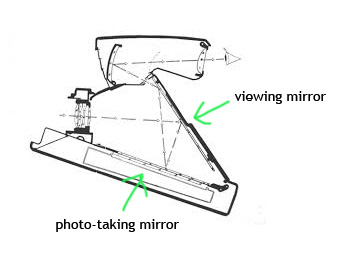
Internal optical path of the SX70. The photo-taking mirror flips up to project the image onto the film.
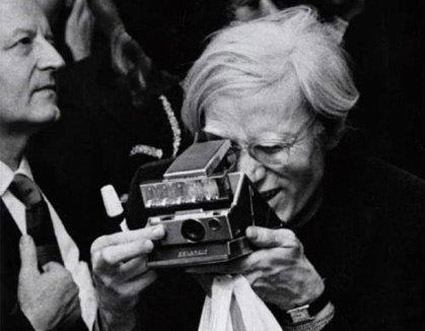
Andy Warhol using an SX70. Note the flash bar with multiple bulbs, the camera would automatically use each one in sequence.
When I first saw it demonstrated I told my uncle about it and he ended up buying one. It produced great looking colourful images, but it had its drawbacks.
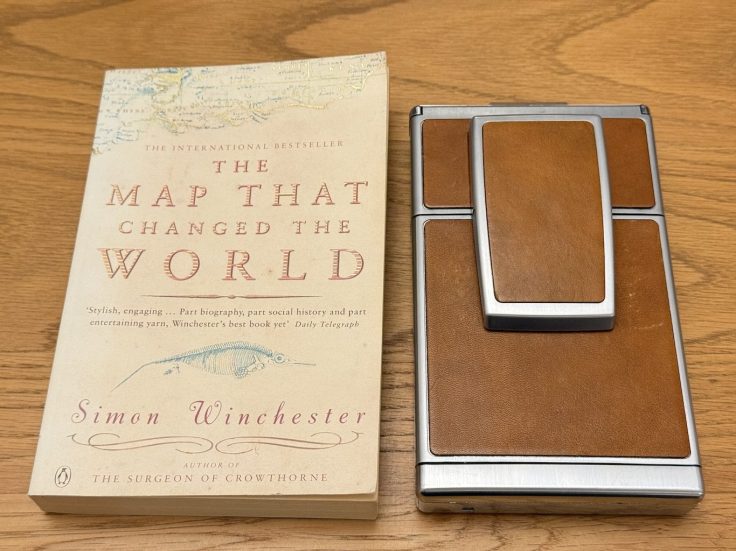
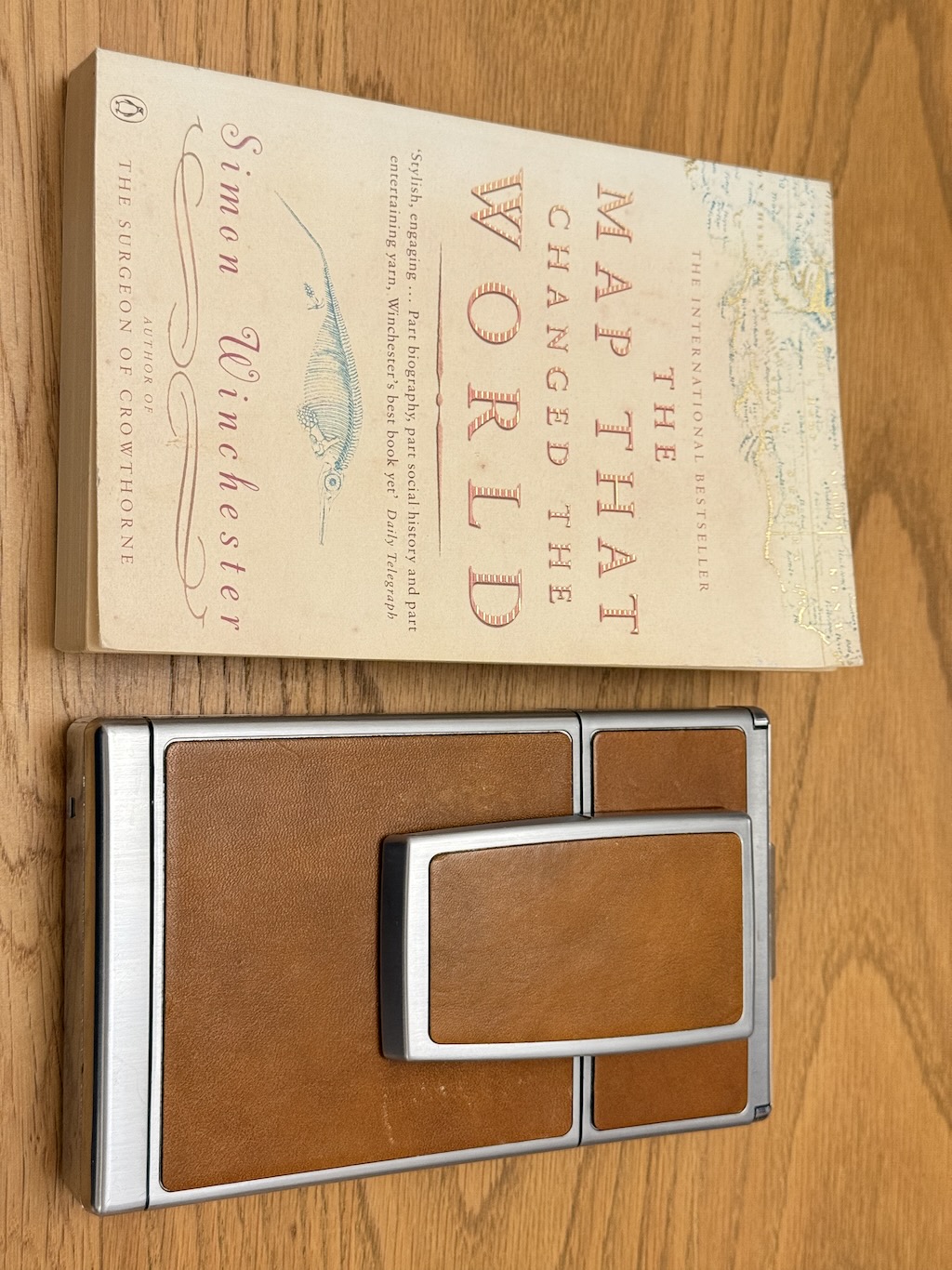
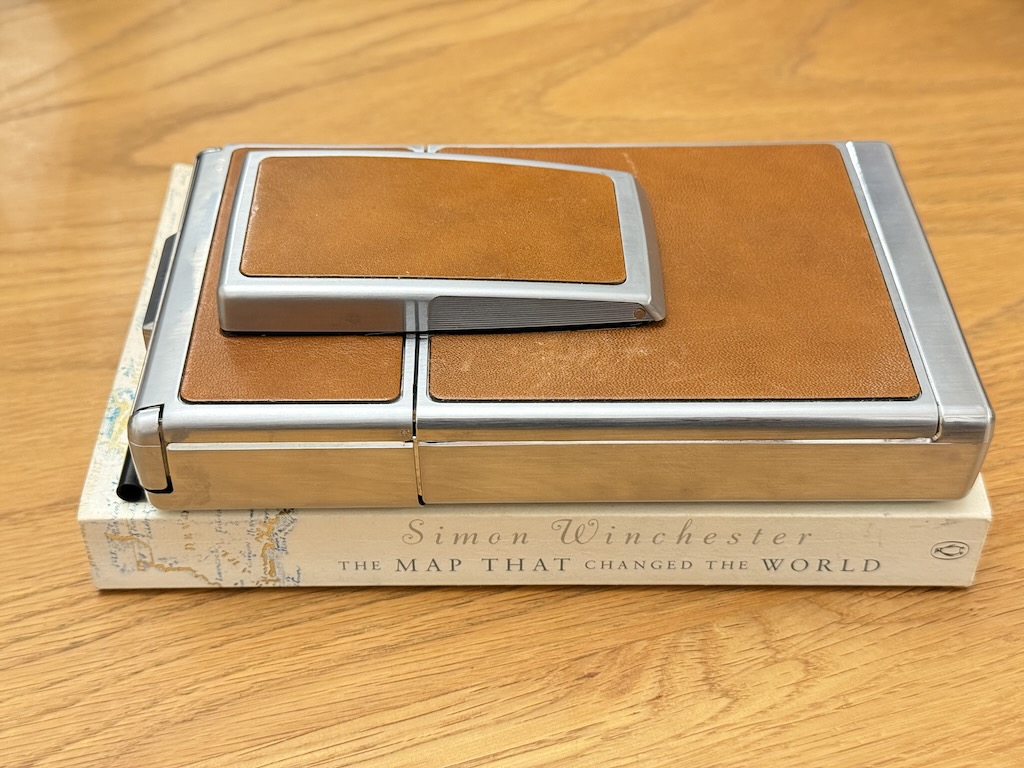
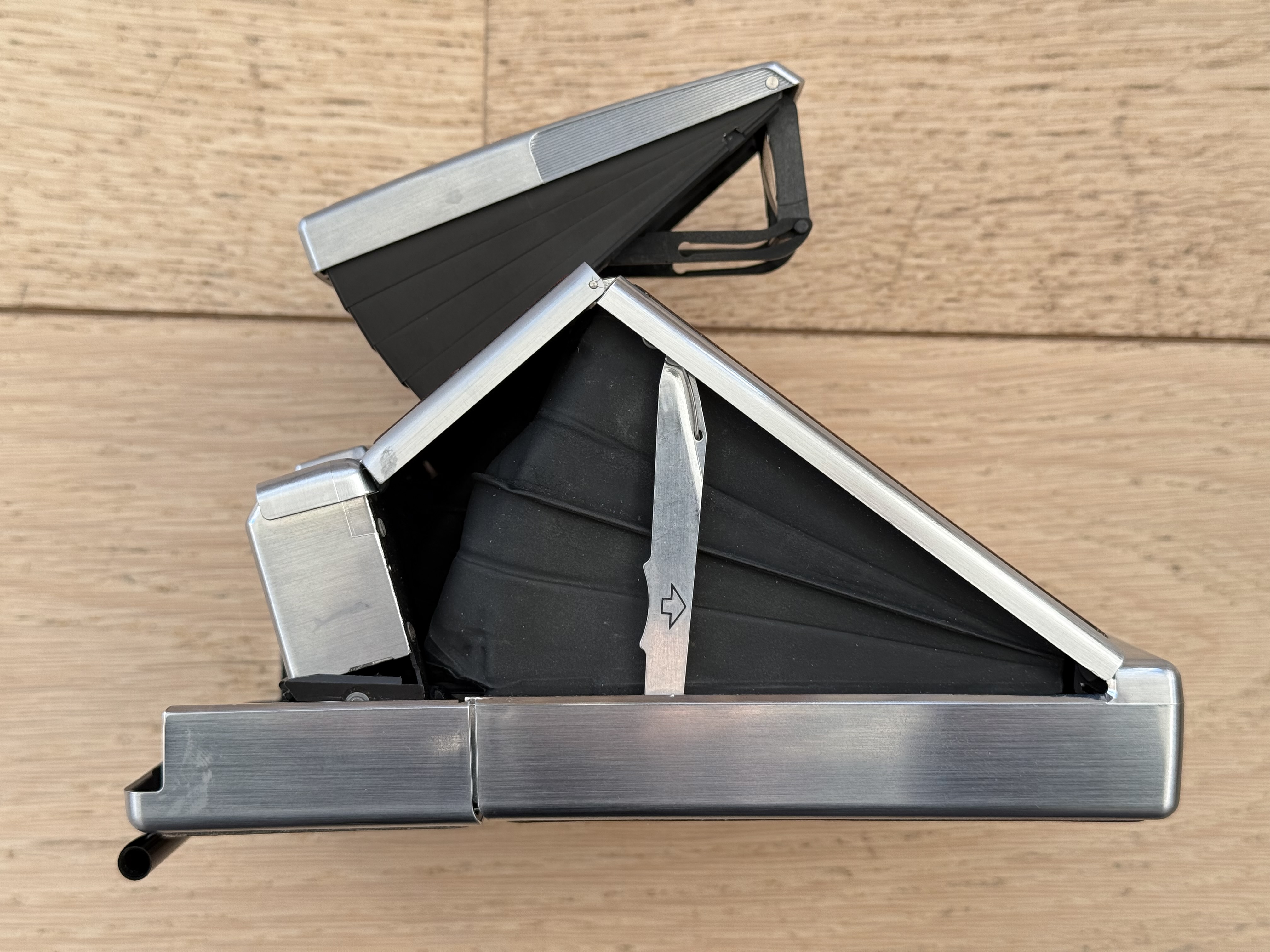
On the plus side: it folds flat to the size of a paperback. It also looks the part with the chromed plastic and aluminium body and real leather cover. It is also surprising heavy.
You had to have your eye exactly in the right place to see the image through the viewfinder. A slight movement and you don’t see anything….
The view finder image was also a bit dim because the lens only had a small maximum aperture of F/8, so it could be difficult to focus in poor light.

Viewfinder image taken with my phone. There is no pentaprism, but an arrangement of mirrors to show the image left/right and up/down correctly.
The exposure was automatic but quite temperamental, so you often ended up taken more than one shot using the lighten/darken control to get it right. Not great considering the cost of a film pack of 10 exposures with its integrated battery was about £10 if I remember correctly. The battery would outlast the 10 exposures and there was even a flat torch powered by this battery.
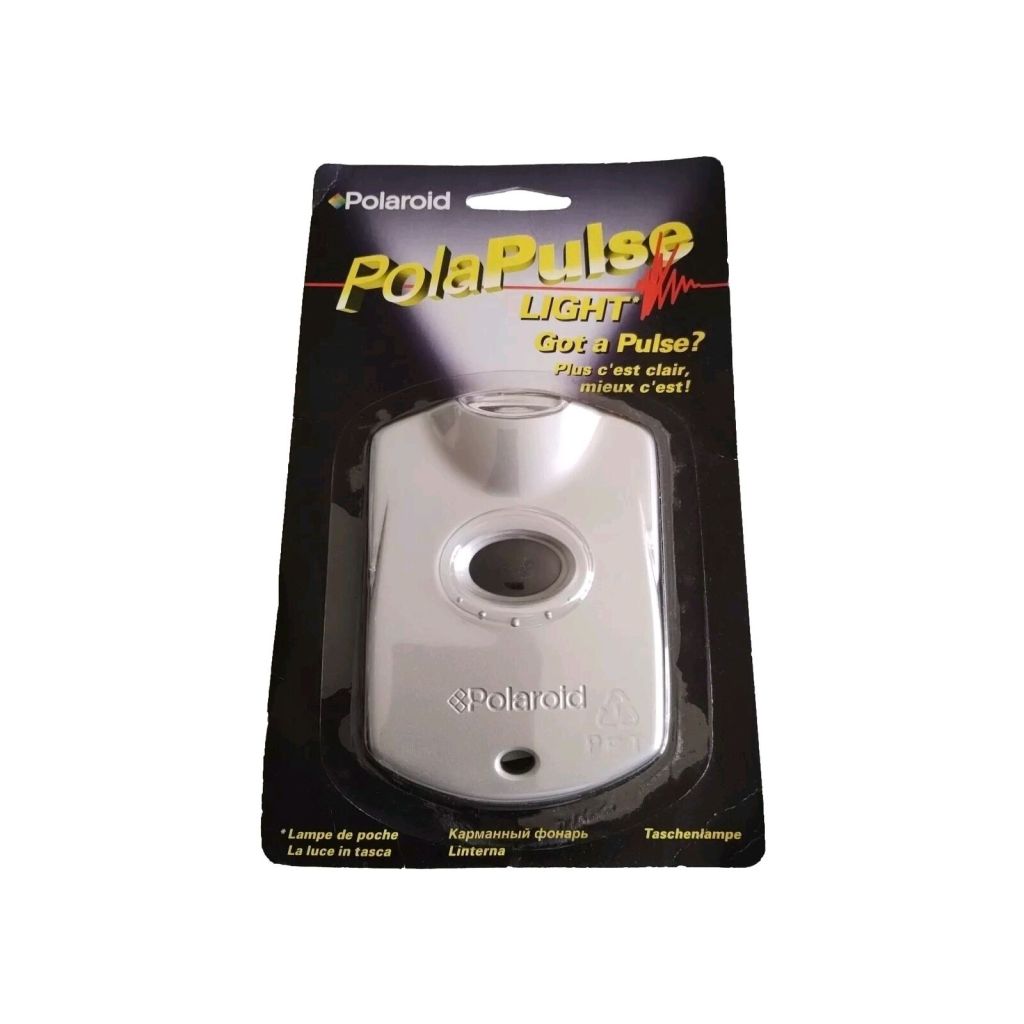
Here is a PolaPulse light for sale on eBay.
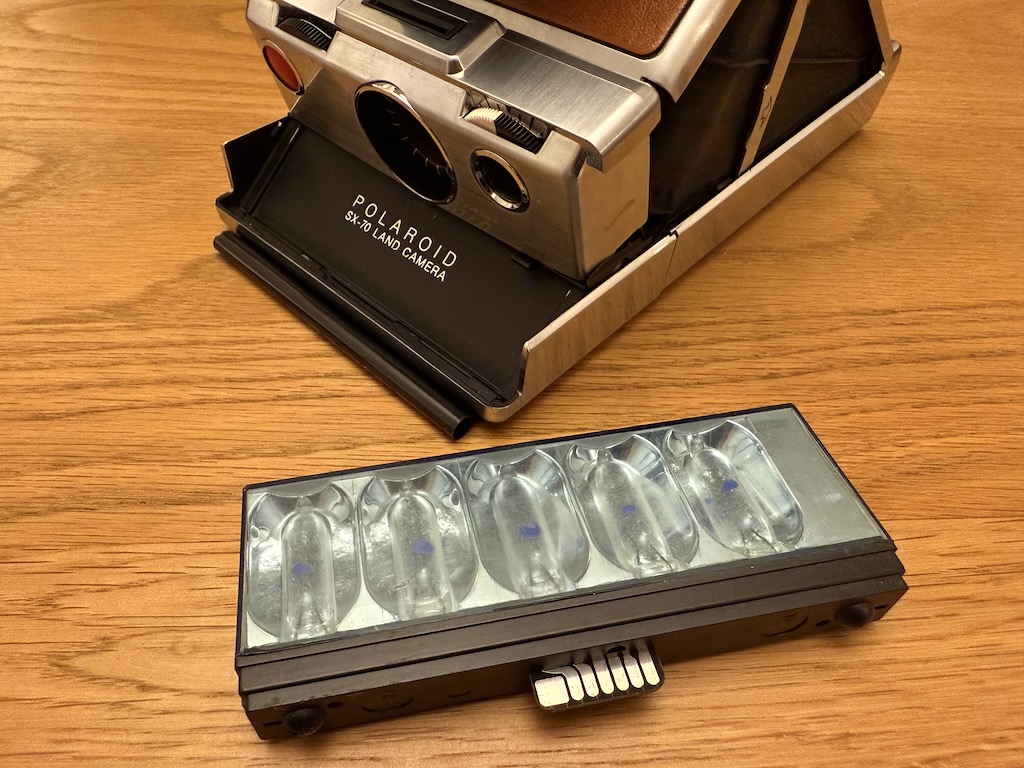
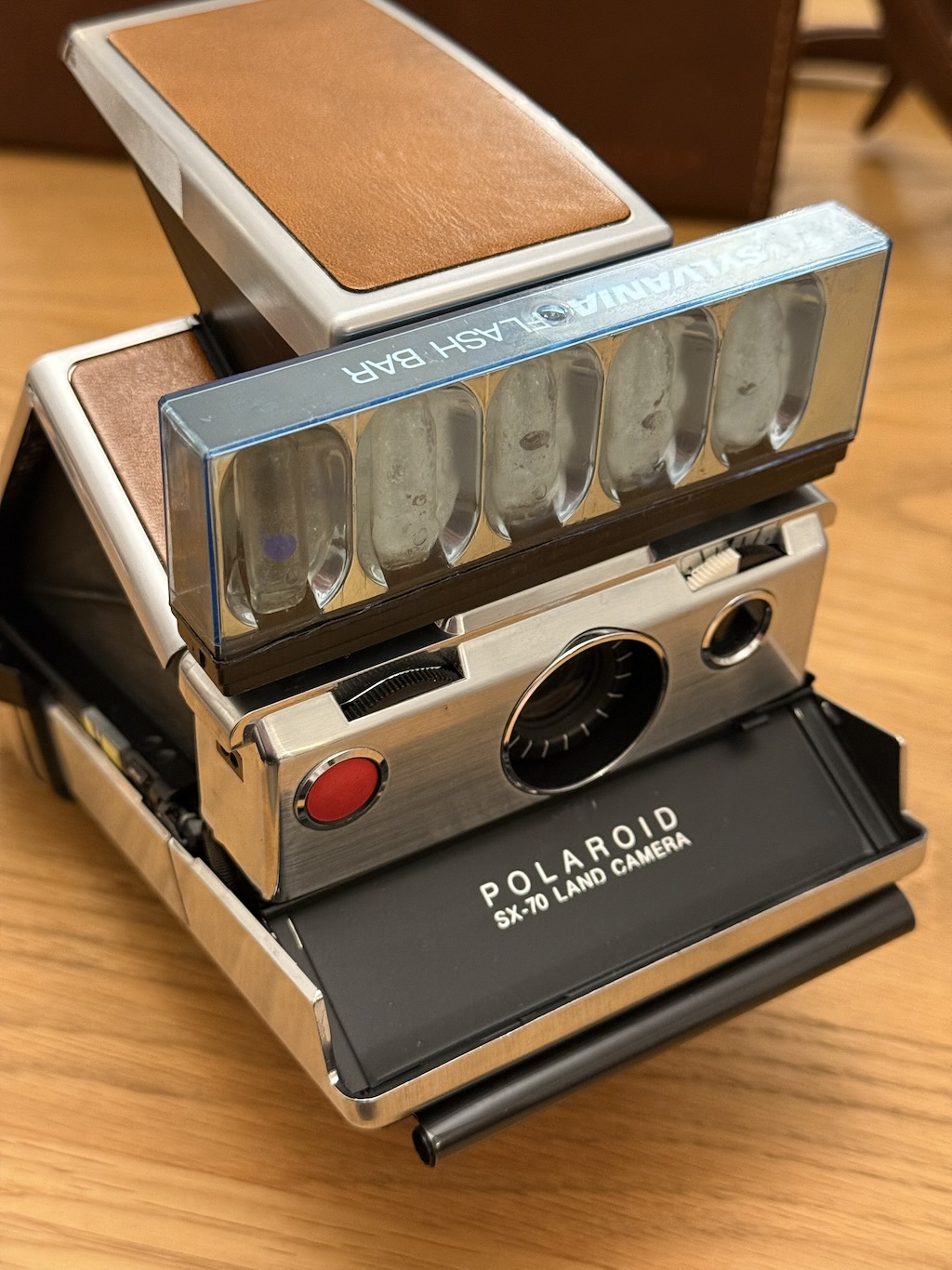
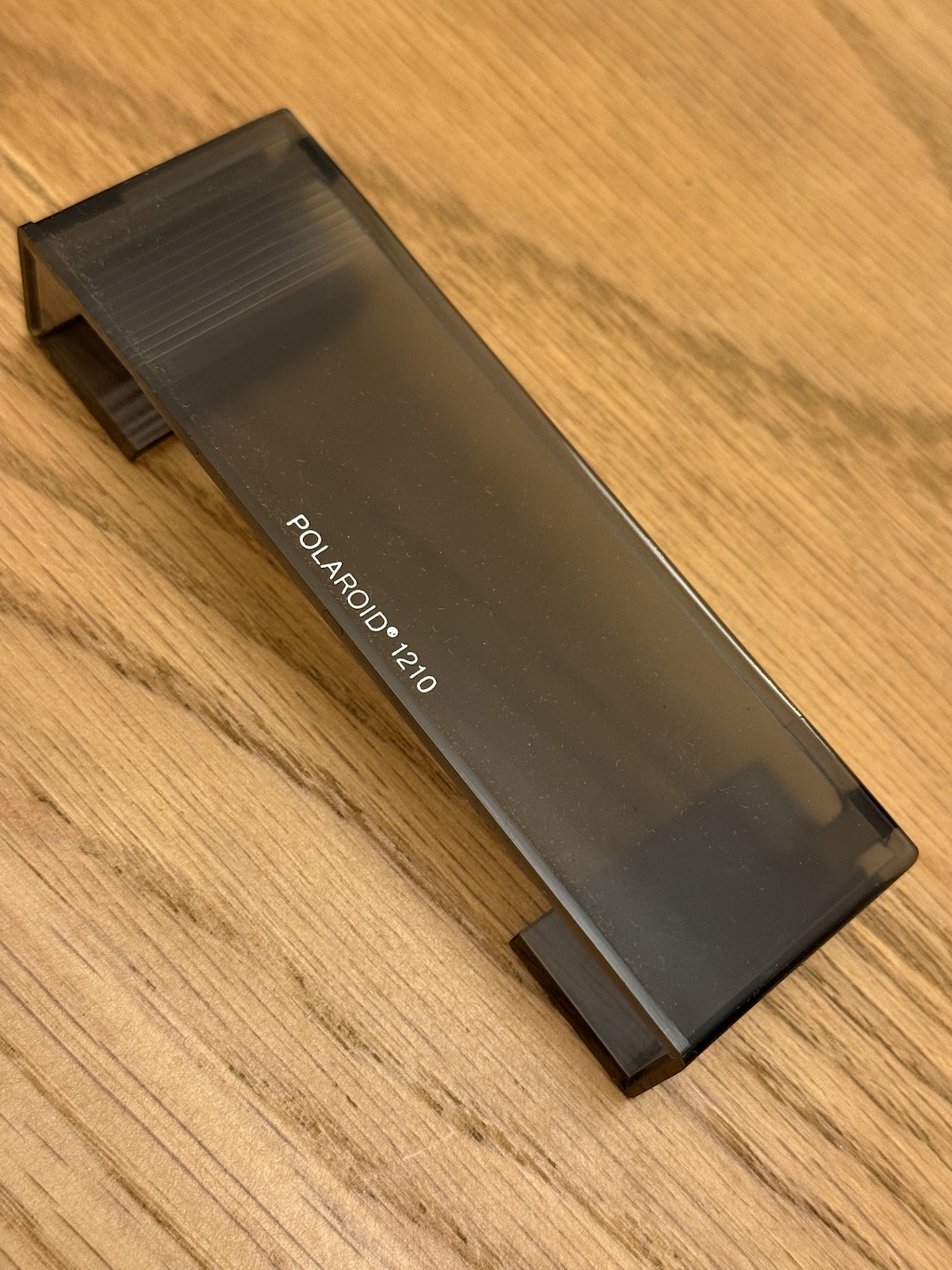
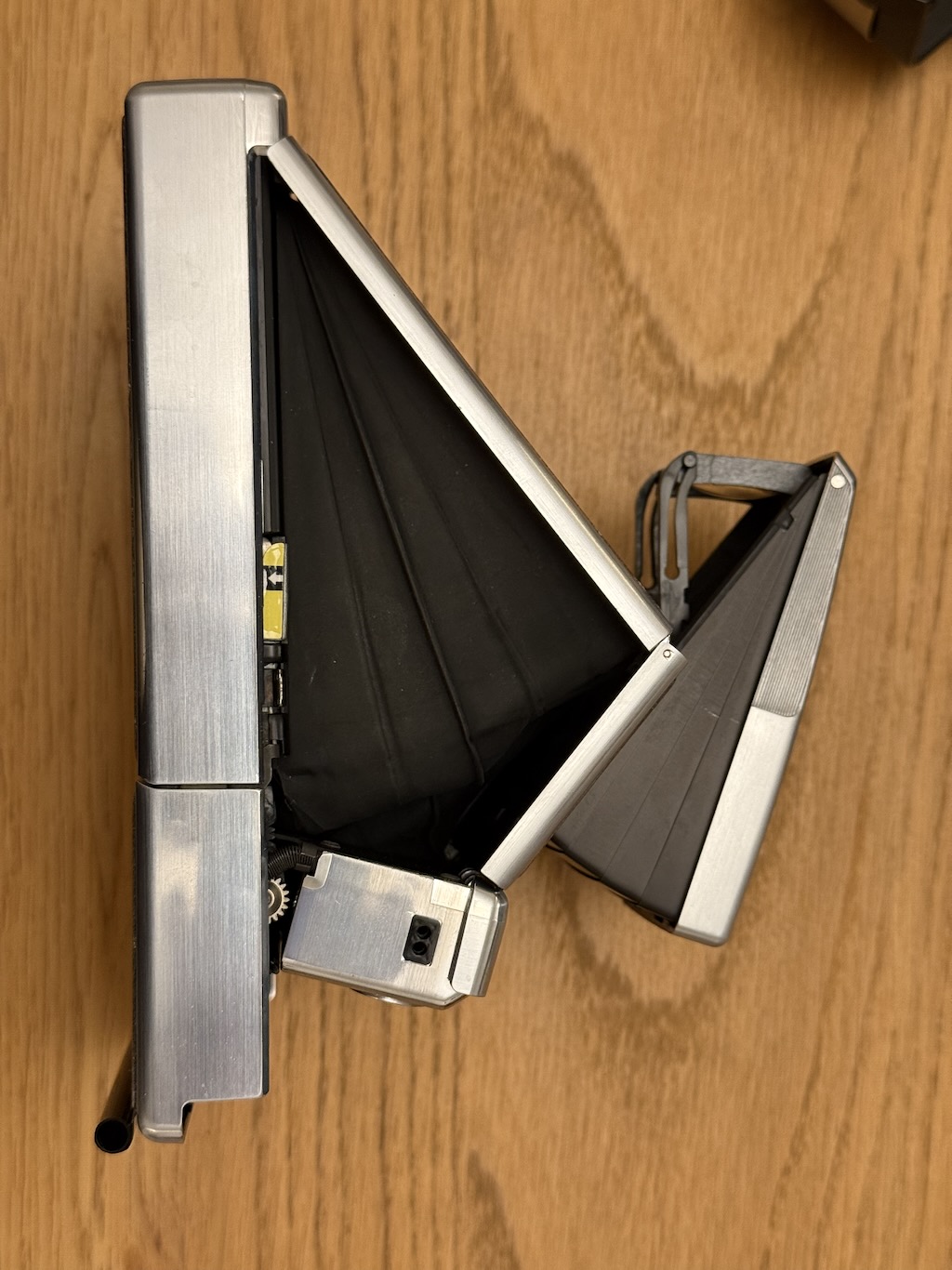
Below the camera I inherited and the full set of accesories that came with it.

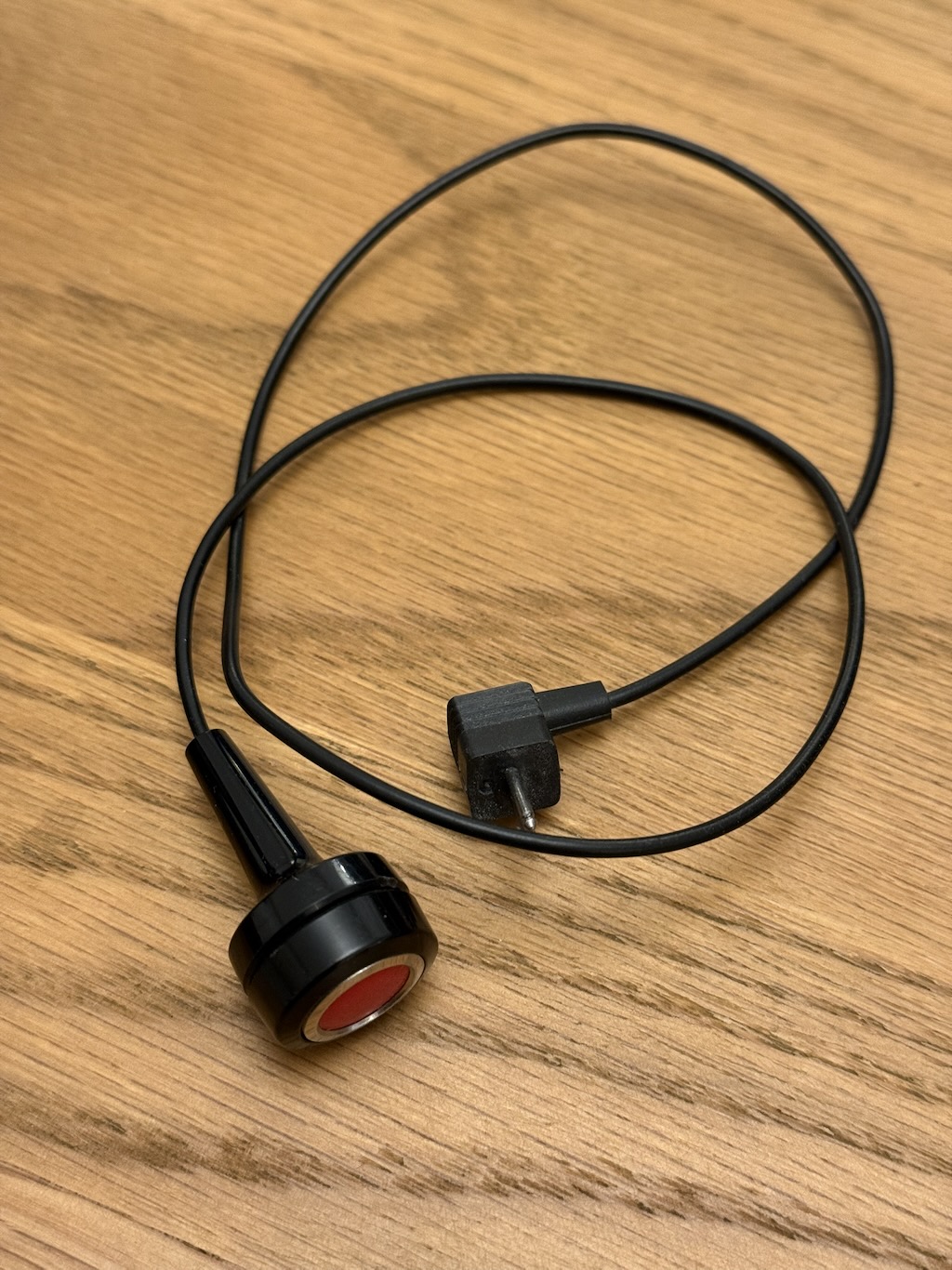
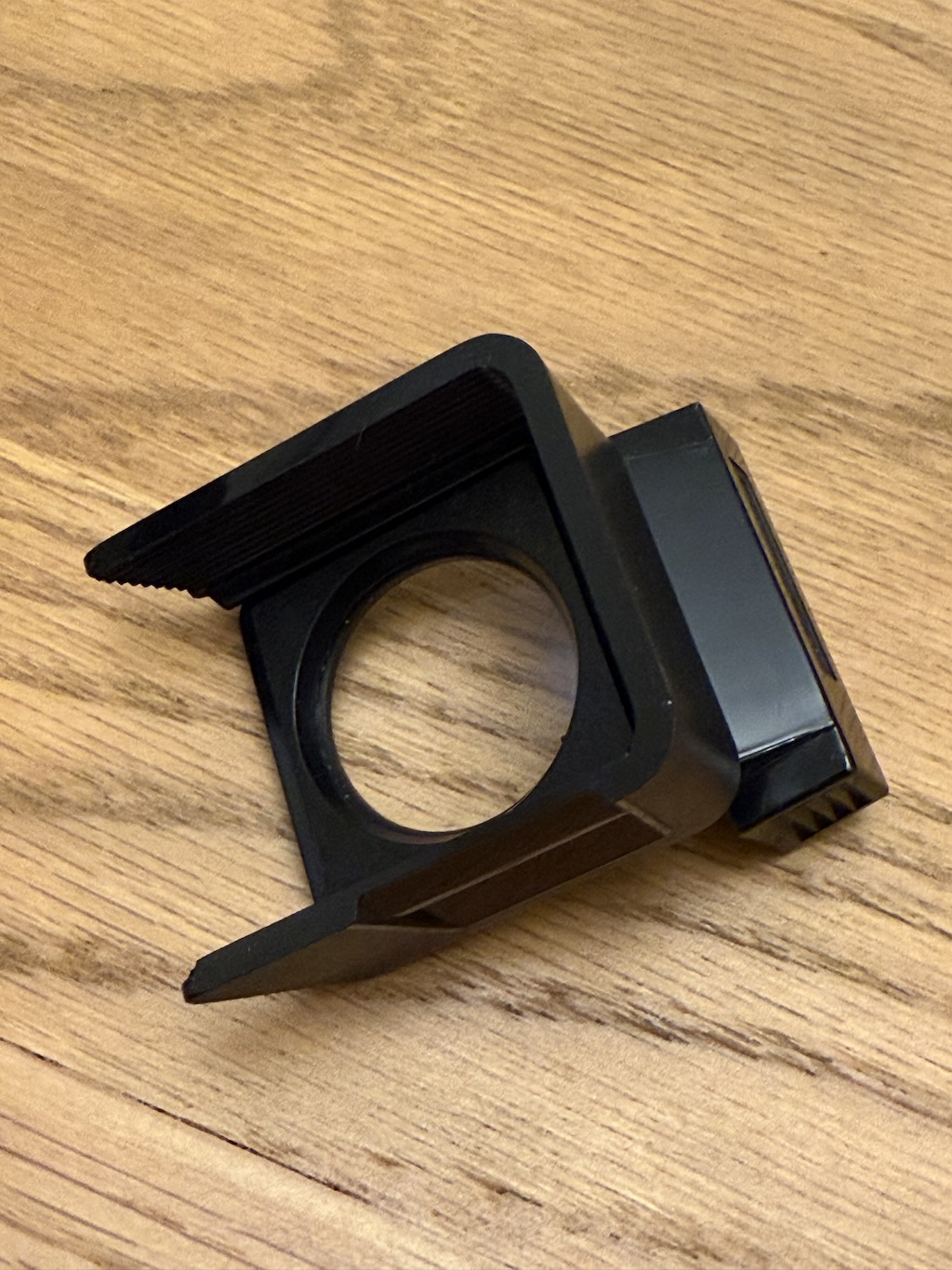


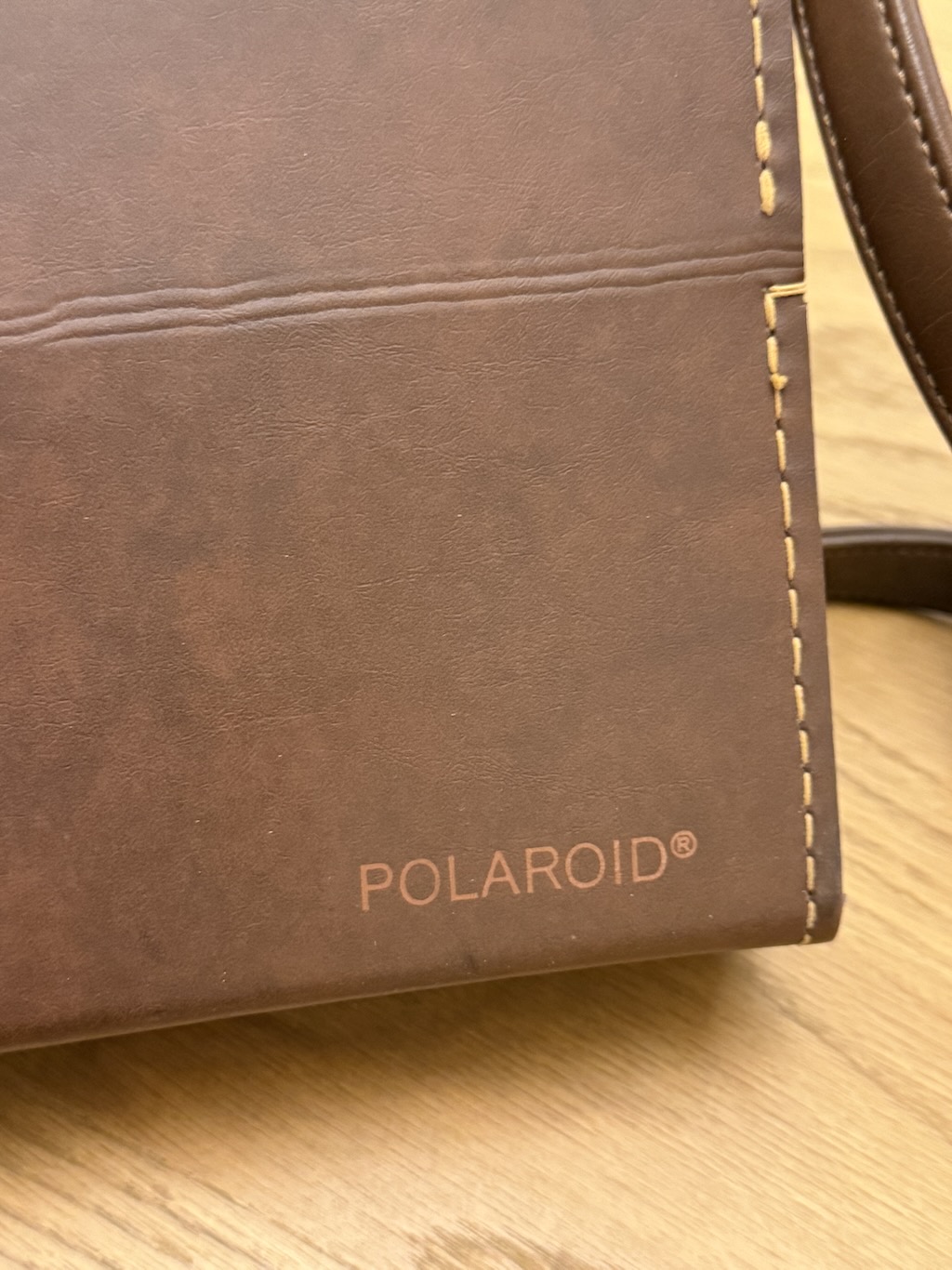
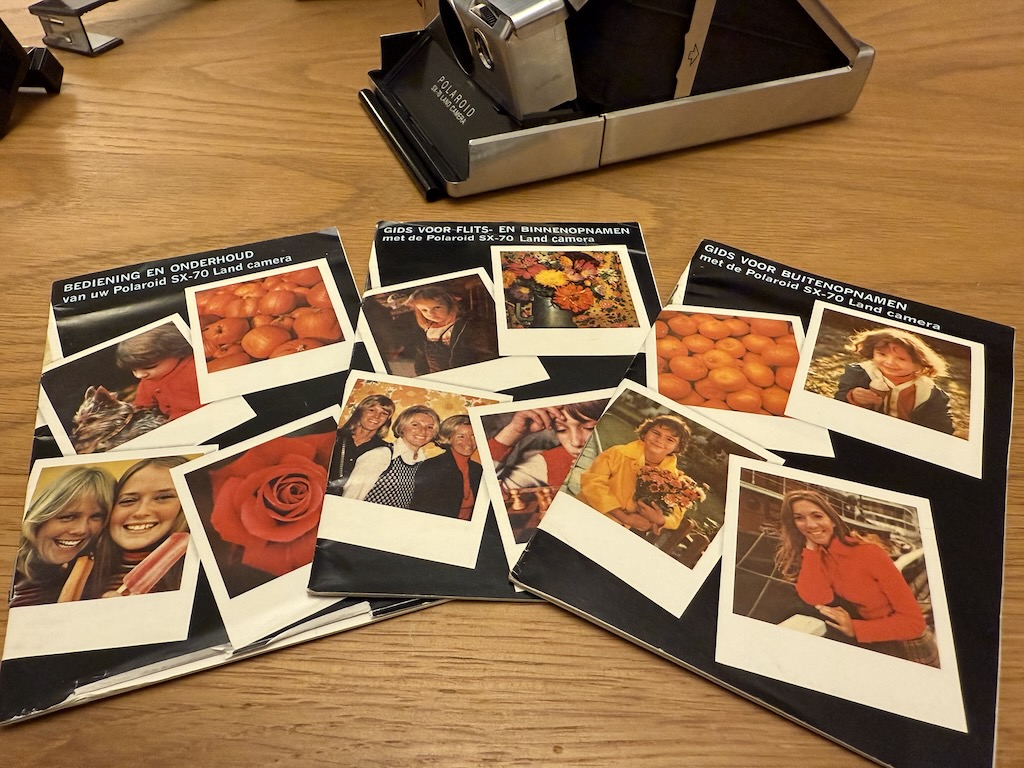



Below a few prints I made in the 1980’s, colours and sharpness surprising good.


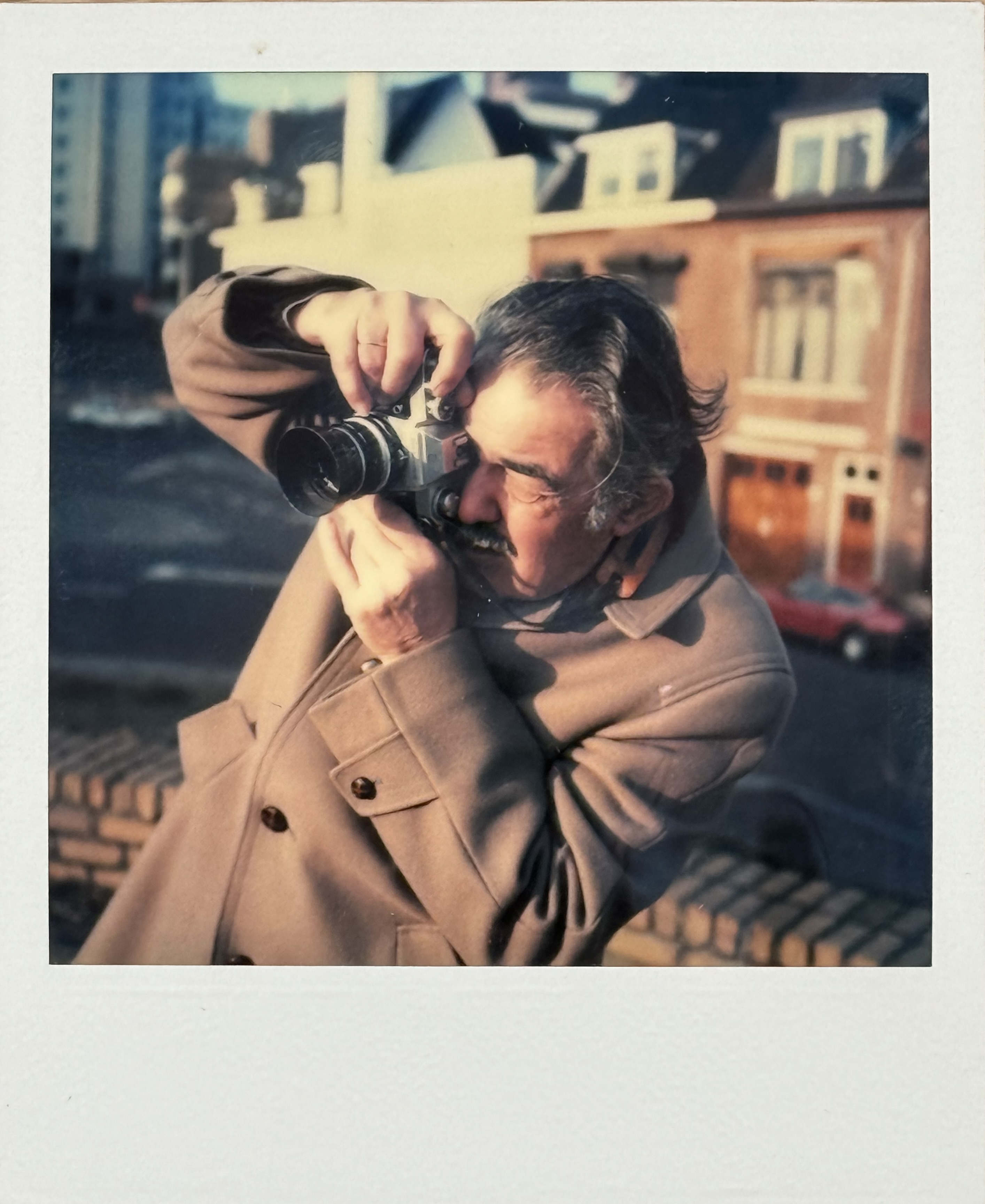

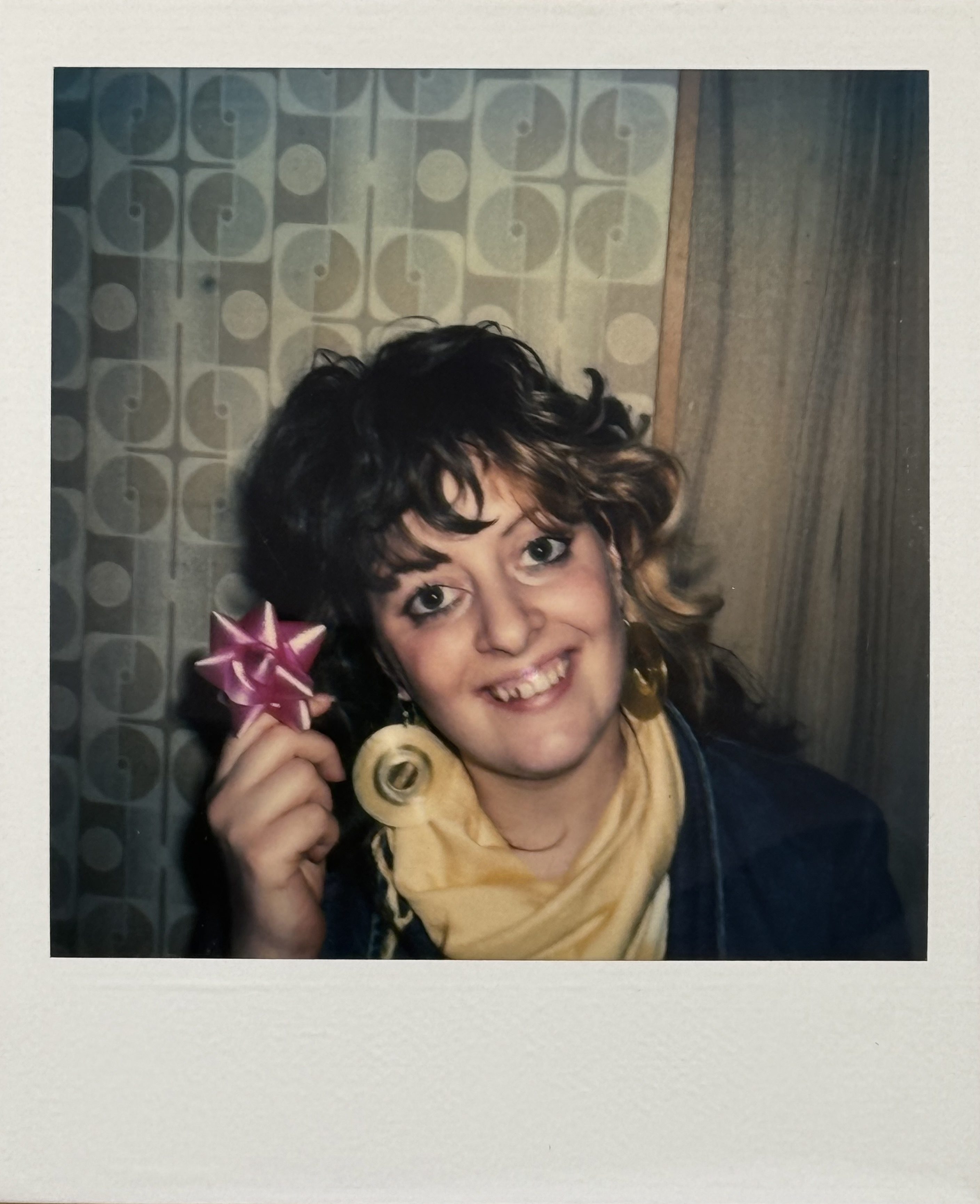
The second generation SX70 made focussing simpler by having sonar autofocus. This looks a bit like a small sieve at the front of the camera, and works the same way bats locate prey. Transmit a short sound pulse and listen for the echo. From the time it takes to bounce back you can then compute the distance and adjust the focus of the lens. Clever bats!

And here we have a Sonar SX70!
Boy is that ugly! It is also much bigger than the original, I think I’d rather focus manually….
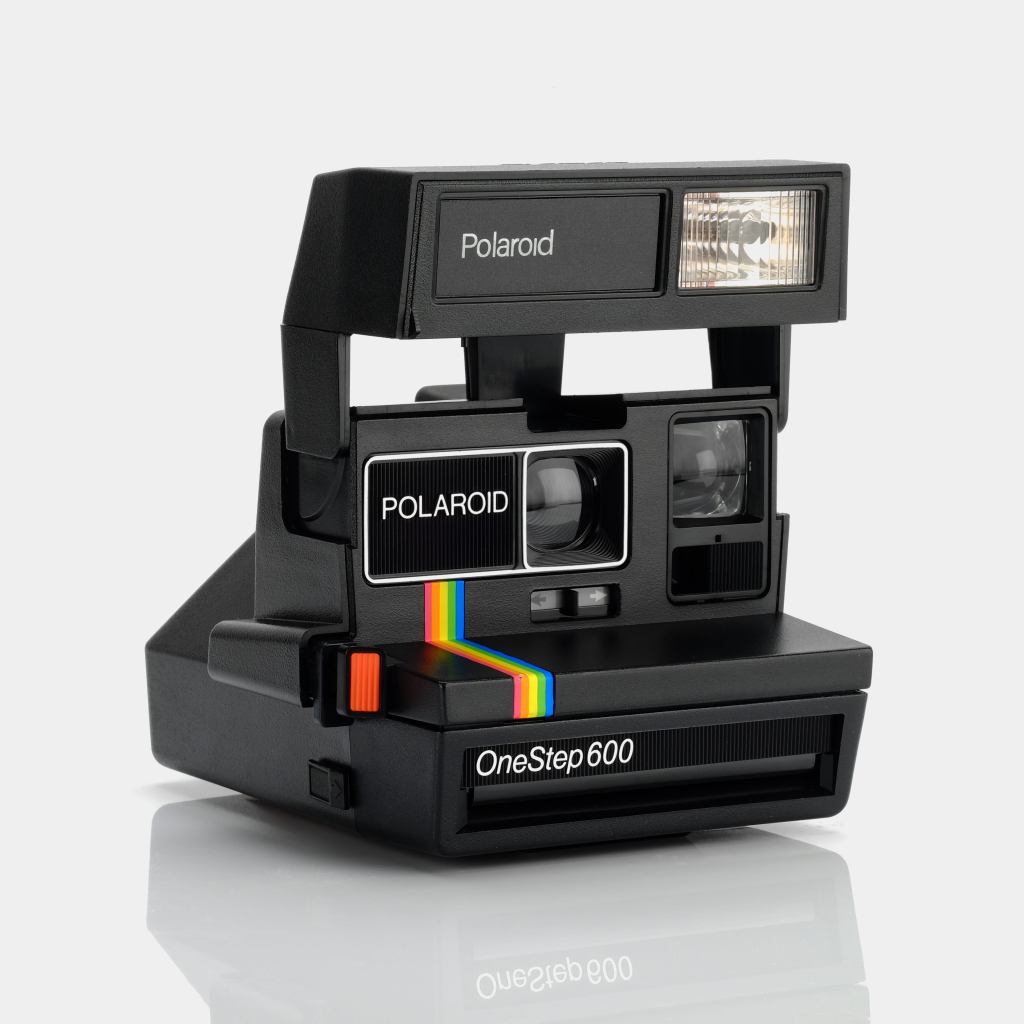
Non reflex OneStep 600 camera using the faster (640 ISO) 600 film. It has a 110mm f/10 lens.
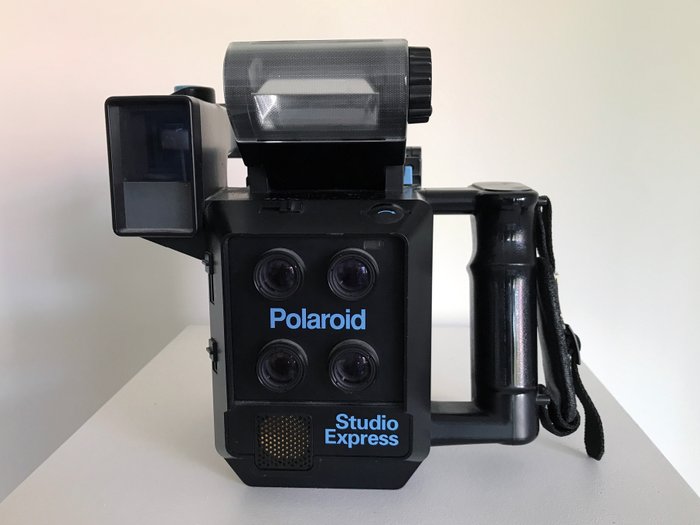
A later Polaroid 403 passport camera manufactured by Mamya. Circa 1980. This one has the sonar autofocus of the second generation SX70.
Polaroid cameras became very popular and they contracted Kodak to produce their instantfilm for them. In 1976 Kodak decided to compete with Polaroid and launched their own line of instant cameras. Kodak was sued for patent infringment by Polaroid for 12 billion dollars. The case was eventually won by Polaroid but it took 10 years. In 1986 Kodak had to stop production of cameras and film. The case for compensation continued with Kodak ordered to pay nearly $1 Billion to Polaroid in 1990.
Polaroid had also contracted Fuji film to to do research to improve their film. Meanwhile Fuji obtained permission from Polaroid to market versions of the instant film outside the US and Europe.
Preloaded cheap cameras started to eat into the market share of pricey instant photography. The final nail in the coffin was the rapid rise of digital causing a sharp drop in the sales of conventional film and instant cameras. Polaroid filed for bankruptcy in 2001, was sold and in 2008 stopped making film and closed the factories down. That would have “instantly” retired all those Polaroid cameras still around.
Revival of Polaroid
But a few people decided to buy the factory and machinery in the Netherlands and reverse engineer how to make the films. It was called Project Impossible and they succeeded to produce a selection of the original films. The company name was changed to just Impossible and more recently to Polaroid after they acquired rights to the brand name.
SX70 film and 600 film for the later non reflex cameras is still available. The SX70 film packs now only have 8 exposures rather than the original 10. And also 8×10 sheet film if you are not afraid to spend serious money on a single press of the shutter button. Not entirely sure if that is still being made as it is listed as out of stock (21 feb 2025).
They now also produce new Polaroid cameras, after having started selling refurbished models.
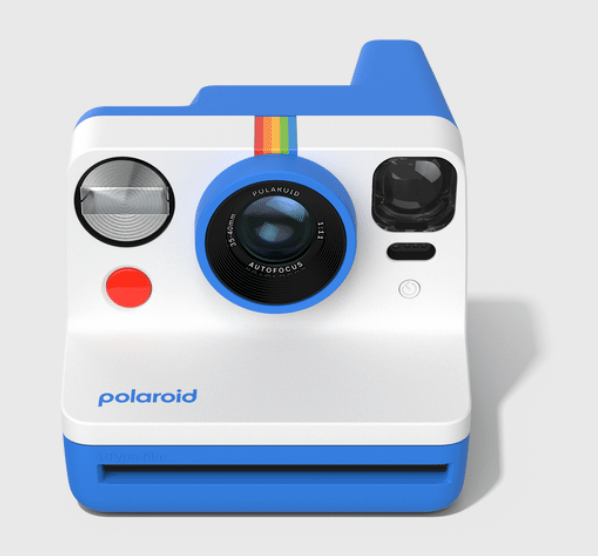
A new Polaroid Now camera.
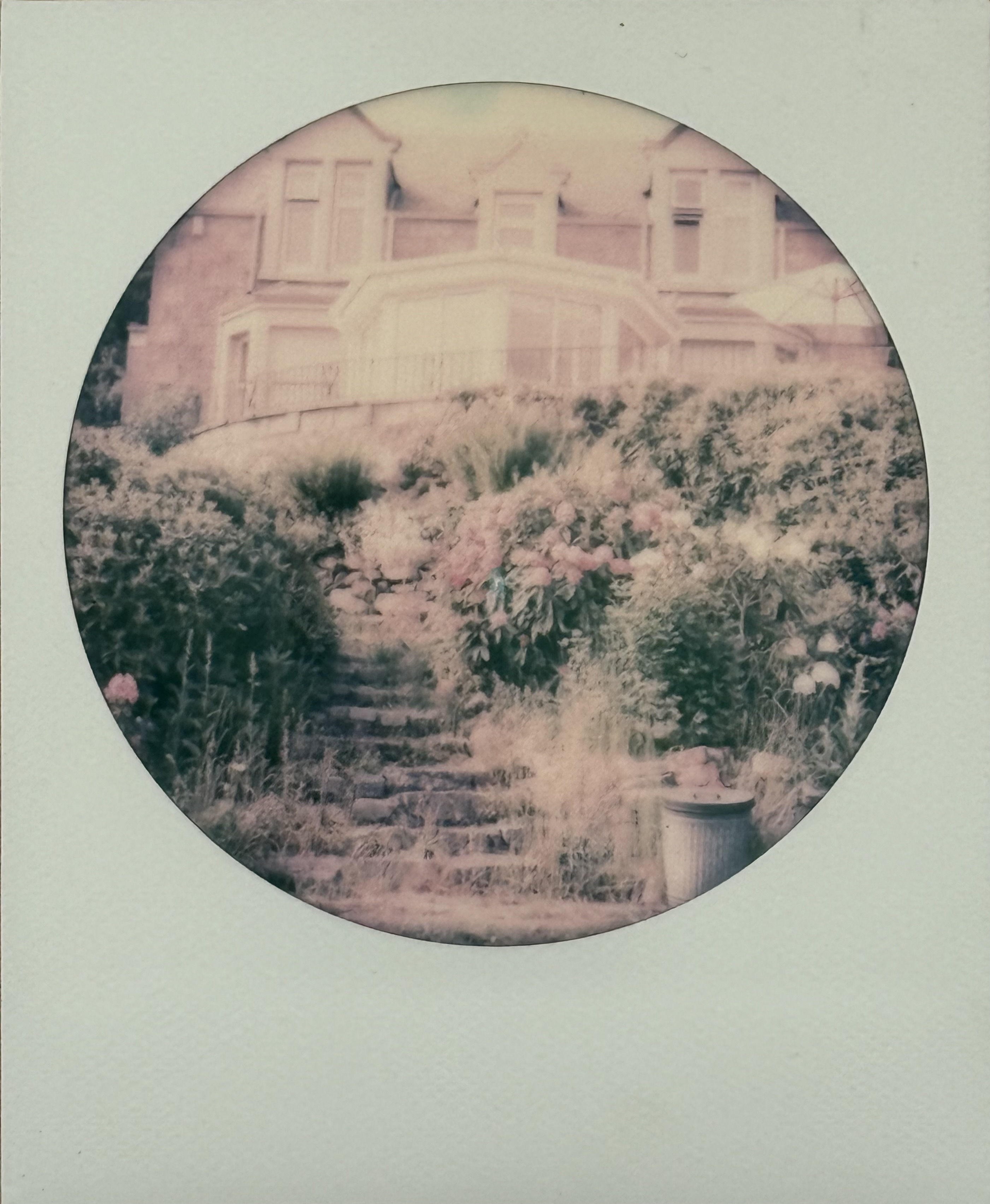
A few prints made on early Impossible Project SX70 film. Less saturated colours, more pastel like, but with its own distinct character. Depending on the temperature the colours can vary from pink to blue, all part of the rather expensive fun.



Fujifilm
Fuji carried on making instant cameras after Polaroid stopped. They also nearly stopped when demand declined, but an appearance of instant cameras in a South Korean soap made them locally popular and this wave of popularity eventually reached Europe and the US. Apparently Fuji now makes more money from instant photography than from their popular digital cameras.
Fuji now also makes dinky mini printers under the Instax name using instant film. Prints are smaller than the Polaroid ones but good quality. The small printers can print directly from a phone, and as they are battery powered and quite small they can easily fit in a pocket or handbag. (Other printer brands are available)
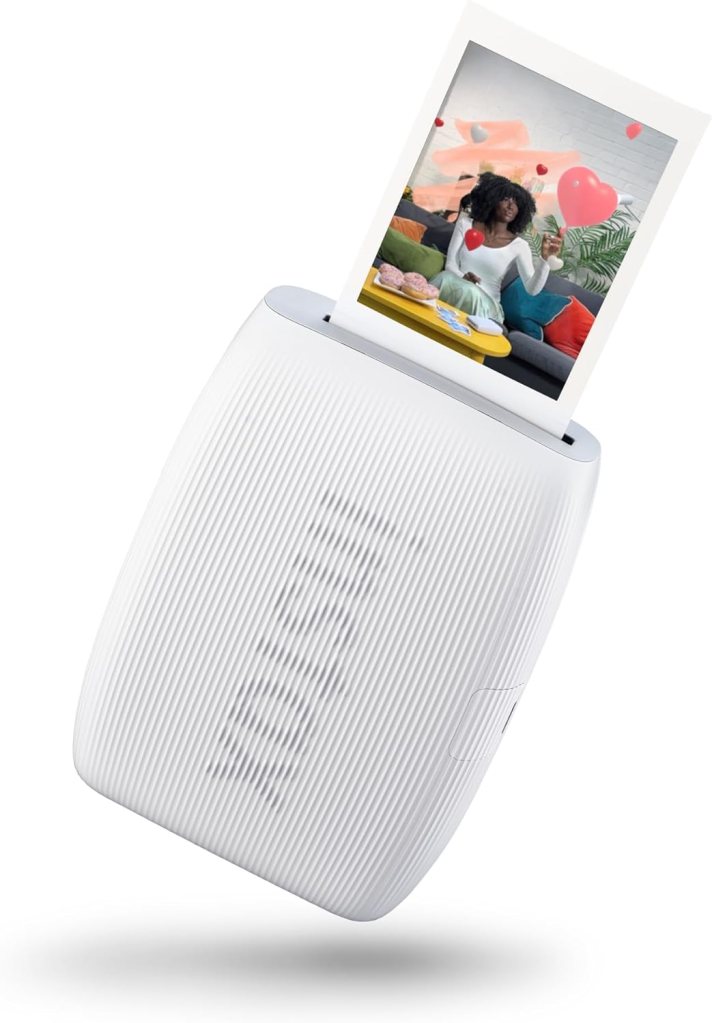
The small portable Instax printer using Instax film packs. The exposure is made with 3 OLEDs.
In my view a better proposition than one of those bulky Instax cameras. You can shoot on the phone, select and edit on the phone and print from the wee printer. There are now 3 models one uses Instax Wide film for a bigger print of 99x62mm. A square one (62x62mm) and a smaller one for an image the size of credit card (46x62mm).
I started this page to tell a bit about the SX70 I have, but while doing that I realised it needs some context so I ended up doing a bit of research on the web. This is far from a complete overview, there are dedicated pages on the web on Polaroid, Fuji etc. Wikipedia is a good source to start if you want to find out more.
 Visions Photography Club
Please leave a comment - we would love to hear from you.