
The second interview in our series of a Visions photographer
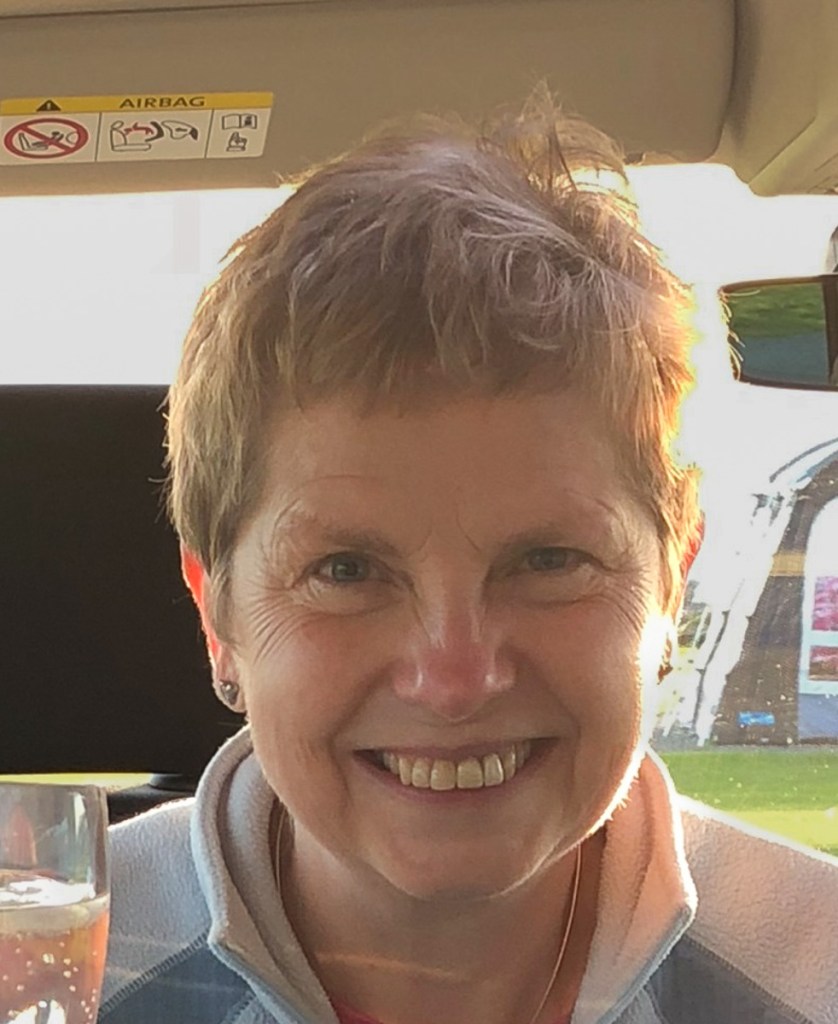
Linda has been a member for about 15 months now and we have come to know her as a passionate wild life photographer. Not afraid to spend hours in the cold outdoors trying to get a shot of an artic hare.
Would you like to start by telling readers a little about yourself – where you grew up and what early interests you had?
I grew up in South Manchester and then studied medicine and worked in Leeds/Bradford before moving to Aberdeen in 1986. Outside of work my main interests were hill walking and skiing. I was part of Aberdeen Mountain Rescue Team for 10 years.
How or when did you become interested in photography?
I enjoyed taking photographs when out in the hills or travelling but didn’t practice photography with real intent until I was in my 50s. I attended a course on B & W film photography at Aberdeen College and then Grays School of Art. During this time I continued to concentrate on landscapes.
Who or what has most inspired you, or driven you forward in personal development as a photographer?
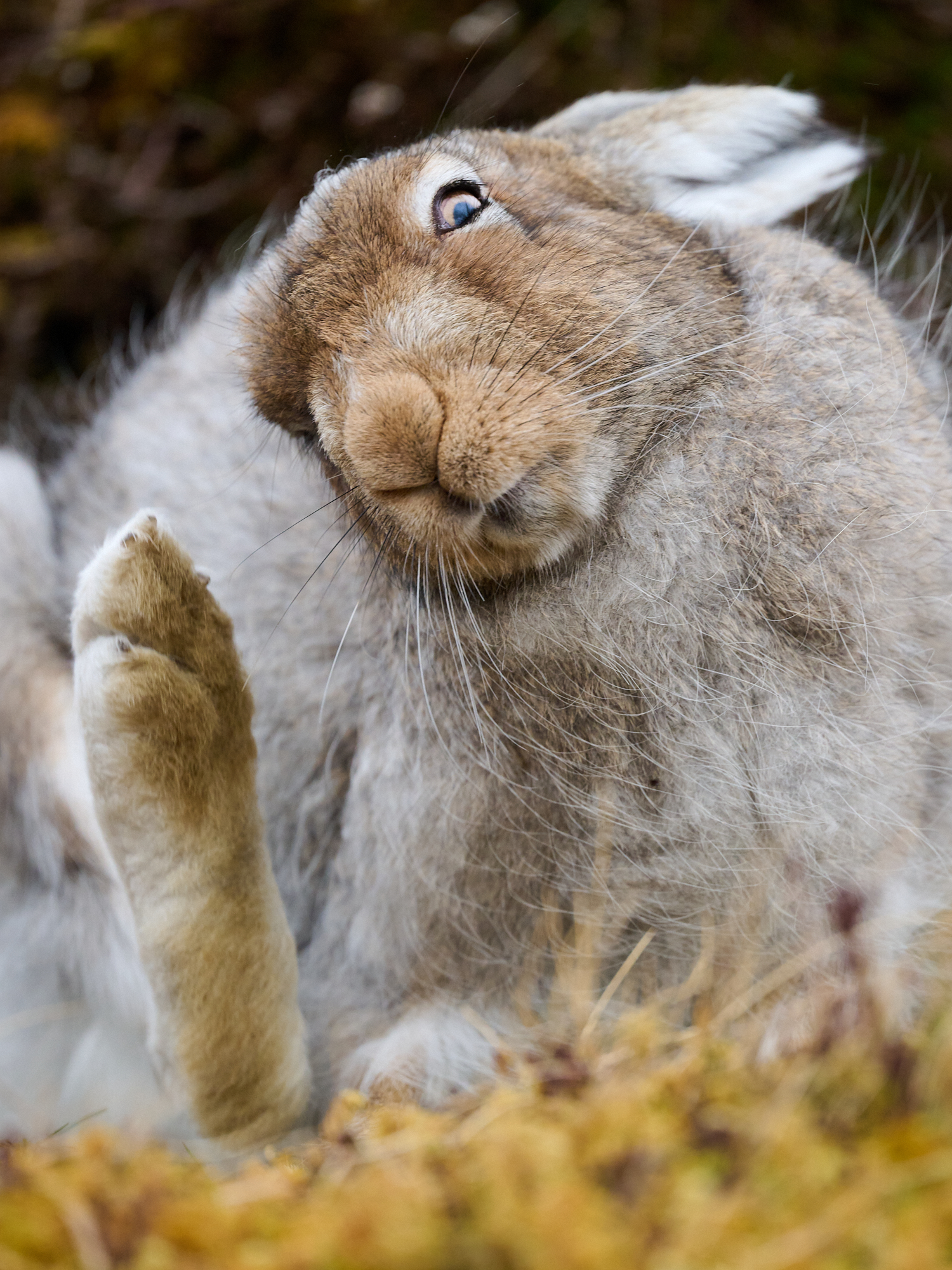
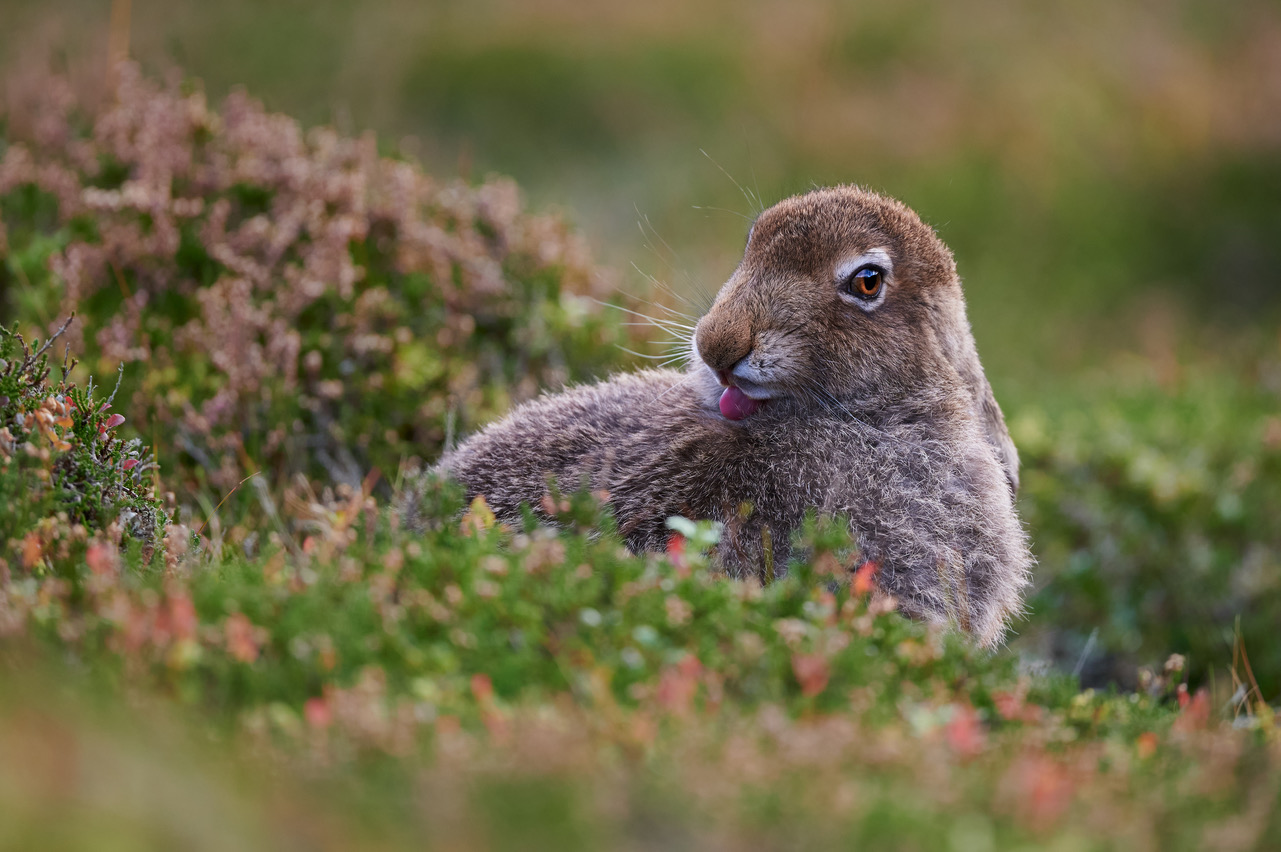
I was due to retire in April 2020 and had planned a trip to see the wildlife of Madagascar. I wanted to be able to take good photographs of the lemurs. I had recently enjoyed an excellent book by Inverness based wildlife photographer Andy Howard. The book was “ The Secret Life of the Cairngorms”. I contacted Andy and arranged a 2 day introduction to wildlife photography. After arranging this my retirement and travel plans were interrupted by the pandemic. I never did get to Madagascar but did get to do my 2 days with Andy. The first day we were in the Cairngorms to photograph arctic hares. I spent about 5 hours sitting next to a beautiful leveret while it groomed, ate and slept. I was hooked and from that day my interest has lent more to wildlife rather than landscape photography.
I have enjoyed many further master classes with Andy Howard as well as enjoying his other publications.
Learning about and spending time near the wildlife is probably more important to me than the photography and in this everyone’s favourite David Attenborough and also Gordon Buchanan are probably top of my list.
I think the most beautiful book I have of wildlife photographs is TIBET (mineral animal) by Vincent Munier with incredible artistic images of snow leopards and other wildlife of the Tibetan Plateau.
Choose 2 or 3 favourite photographs from your own portfolio and tell us a little about why they are special to you, or your experience of making them.
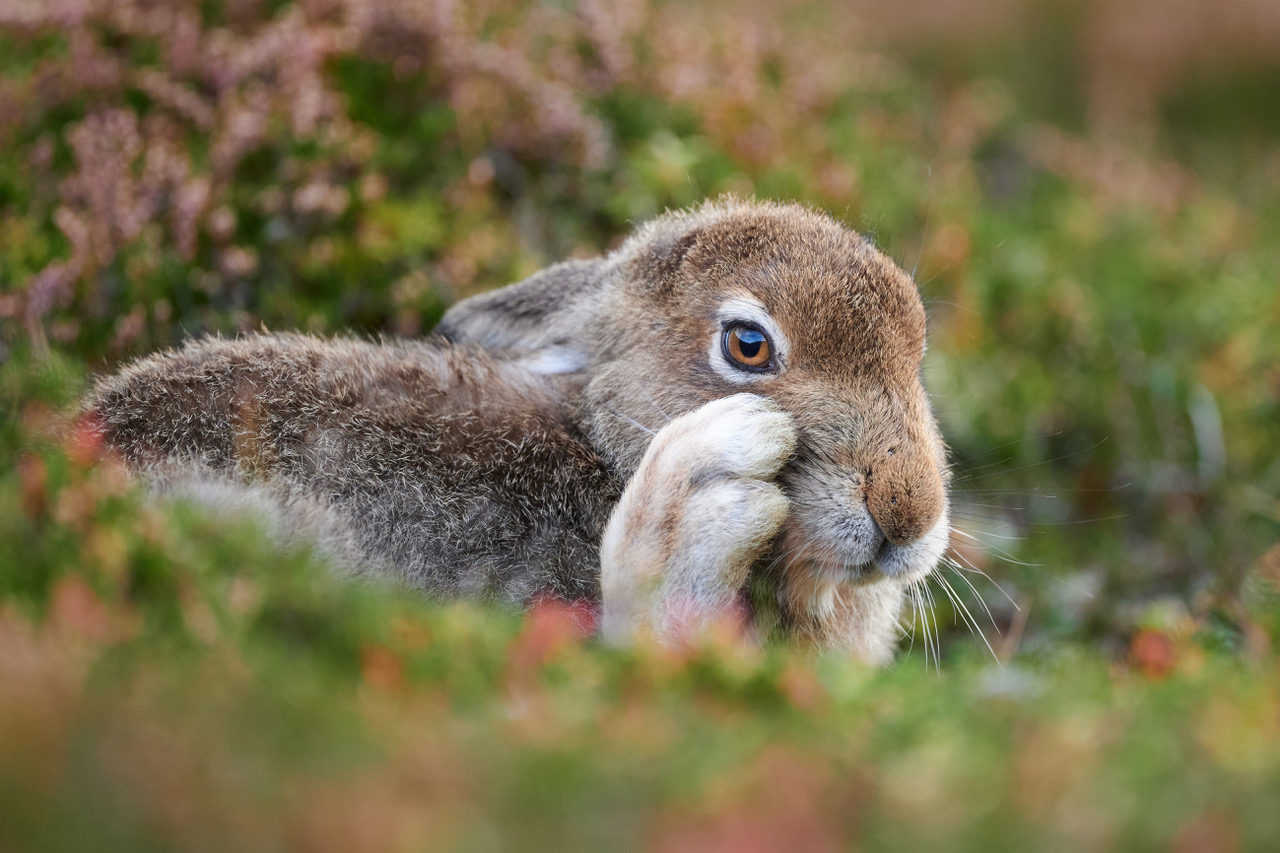
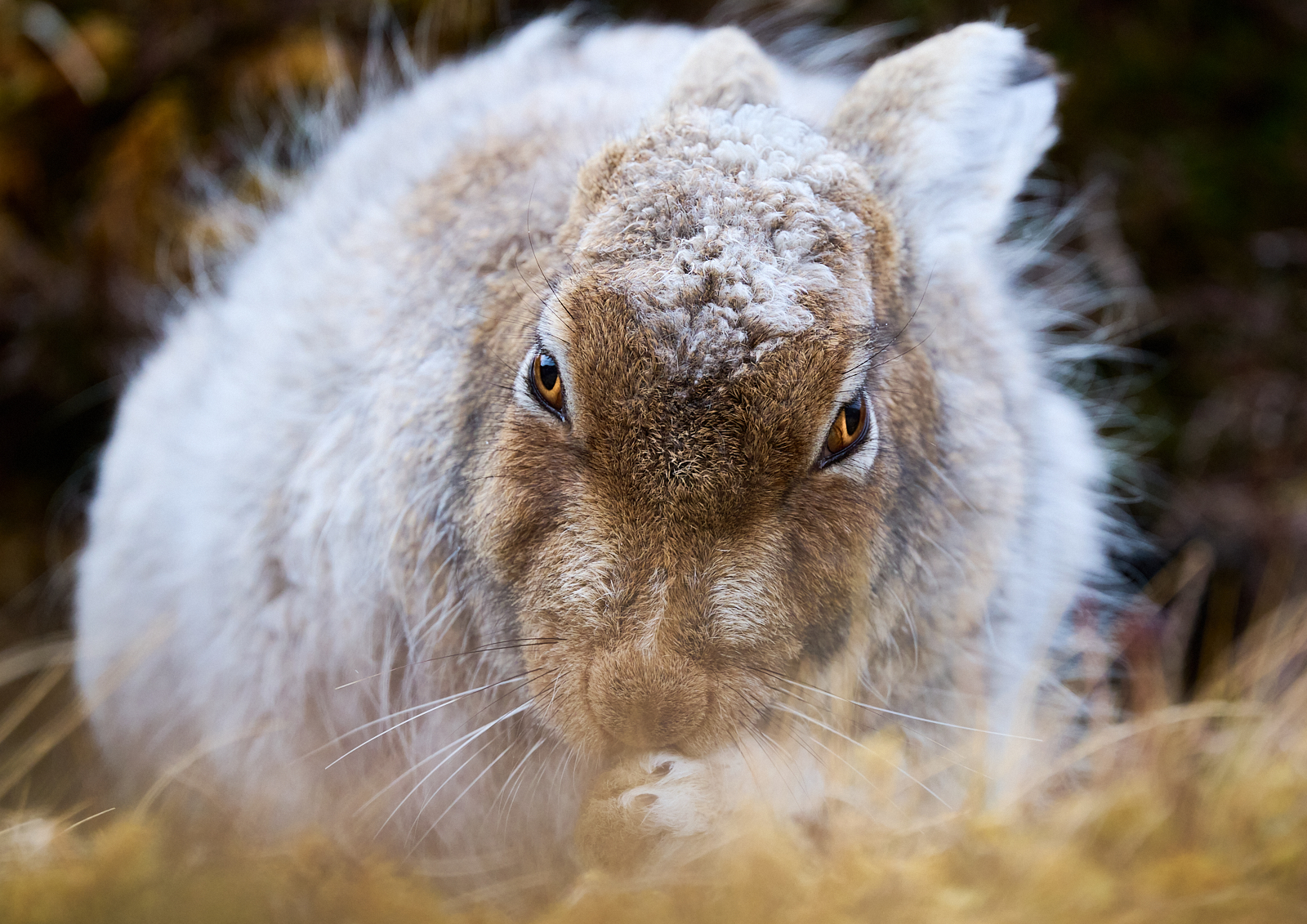
This is the leveret I spent 5 hours with on my first real exposure to wildlife photography.
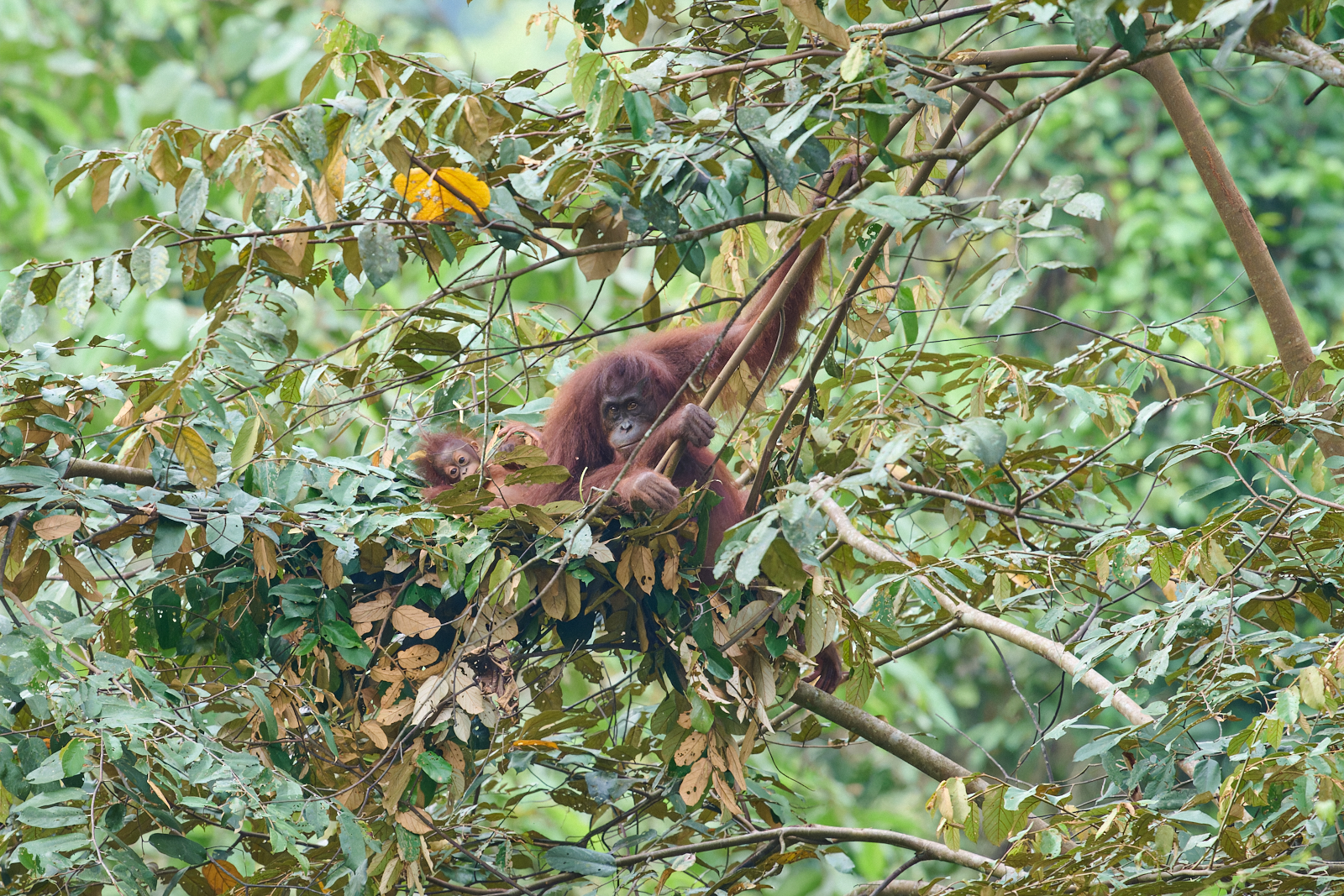
Borneo—Orang-utan. This may not be the best of photos as the light was not good but an amazing opportunity to see and photograph a mother and baby orang-utan in the wild. They were just settling down in the nest Mum had made for the night.
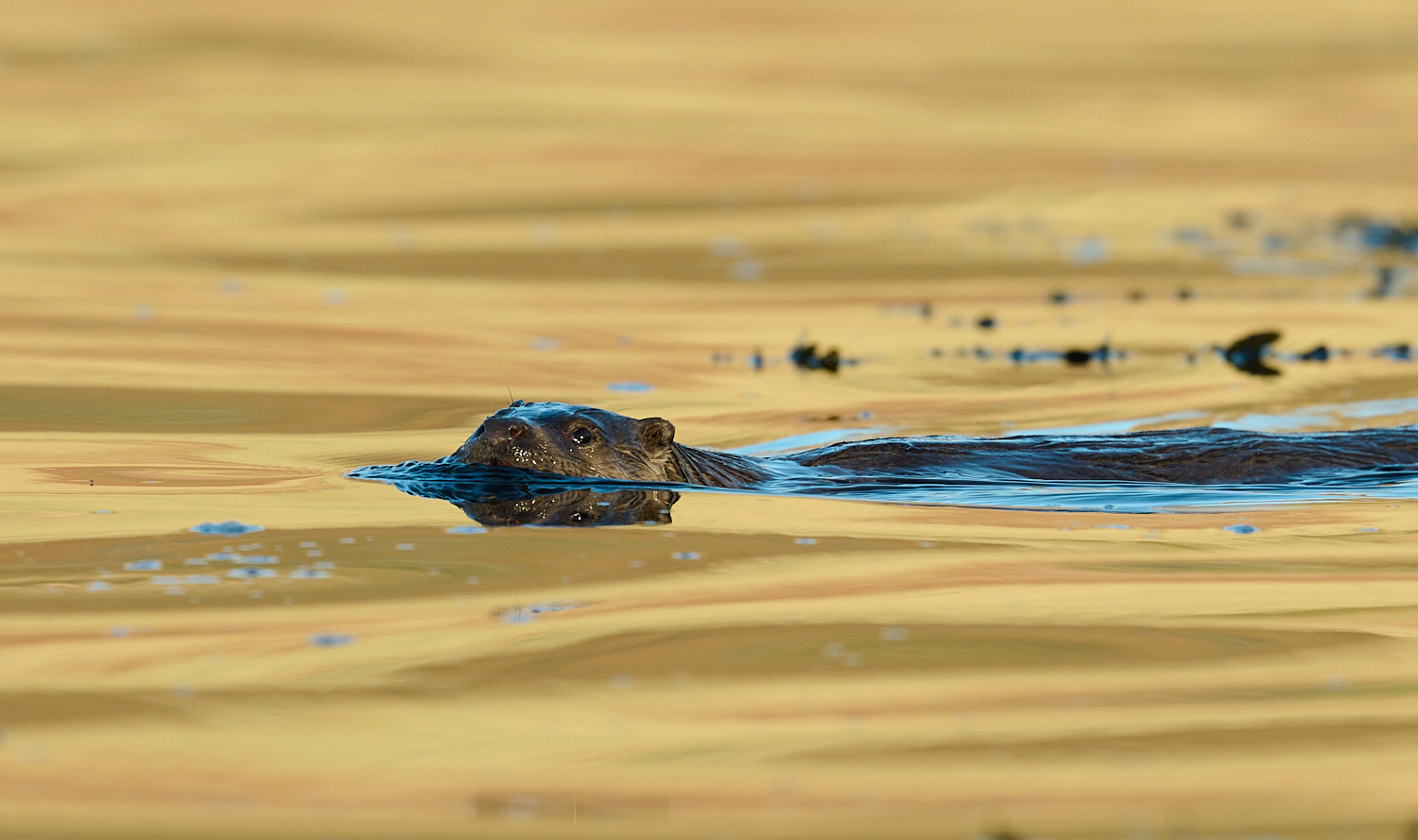
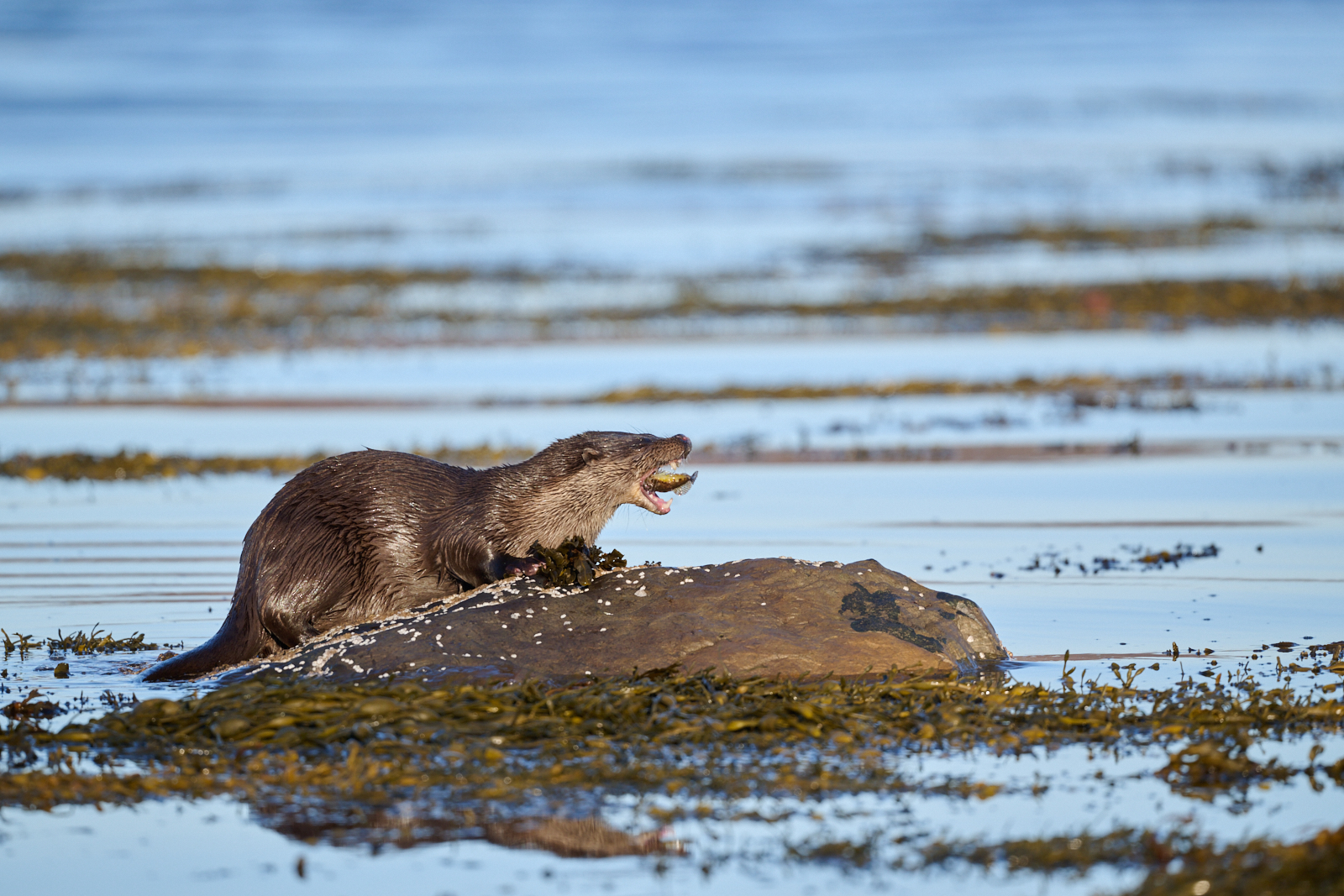
Otter – A fabulous encounter (one of many that day) with an otter in beautiful golden autumn light creating a sea of gold.
Can you give readers a brief insight into your setup-from photographic equipment through processing? Which part of the workflow especially interest you?
My first digital camera was a Nikon D70 and I have stuck with Nikon since that time. I currently use a Nikon Z8 and 9. My favourite lens is a Nikon 400mm 2.8 with in-built teleconverter however it is a big lens for carrying around so if I need to go properly handheld I have a Nikon 600mm 6.3 PF lens which is incredibly small and light. If using my Z9 and the large 400mm lens I use a tripod with gimbal head or monopod.
I use manual settings sometimes with auto ISO and sometimes fully manual.
I always shoot in RAW. The processing software I use is Capture One though this is just by chance circumstance and there is probably little to choose between this and Lightroom.
I love being out, enjoying the wildlife and the outdoors. I would be delighted if somebody else did the processing for me.
Wildlife photography is obviously your niche in photography. Can you tell us a bit about the challenges of the genre and how you deal with these?
Getting in the right position — Field craft – the challenge, joy and frustration of wildlife photography. The animals I most enjoy shooting (hares and otters) depend on good field craft so you can spend whole days and not get anything but when you do it is more rewarding. The more you know about the behaviour of a species or even individuals the more chance you have of getting to the best position. This is one of the reasons I continue to go on workshops with Andy Howard as he is amazing at finding the wildlife and getting into position (usually in advance) for the best images.
Speed — responding to rapid changes and movement – especially in low light. Good camera and lenses really help with this (even if they do guzzle up my pension!). Having the camera set up in advance and knowing how to quickly change your settings are vital.
Weather and terrain. Mountain and coastal weather and walking (or not moving for extended periods) can be challenging especially as the best images are often in the worst weather but after many years walking in Scotland this is one of the aspects I enjoy most. Good clothes, gear and companions help with this.
Do you have any tips for budding wildlife photographers?
Get to know your local area-garden, parks, fields, coast or hills.
Enjoy spending time with the wildlife whether you get photographs or not.
YouTube is an amazing resource but there is no substitute for a mentor, photography friend or paying a professional guide to help you improve.
Are there any projects you are currently working on and any planned for the future?
Arctic Hares: I have a couple of trips planned to photograph hares hopefully supplemented with some good days in the eastern Cairngorms.
Kenya — I have booked a safari to Kenya, the first time I have been to Africa so all of the wildlife will be a new experience for me, desperately hoping to see a big Tusker in Amboseli as well as the big cats of course.
How did you find out about Visions and why did you join us?
I had been thinking of joining a camera club for a while and wanted to join a friendly and enthusiastic club. Finding Visions was a combination of web searches for clubs in Aberdeen area and recommendations from a friend. I had heard that Stephen Lynch was a member.
Thank you for doing this interview Linda, I hope you have inspired more people to have a go at wildlife photography.
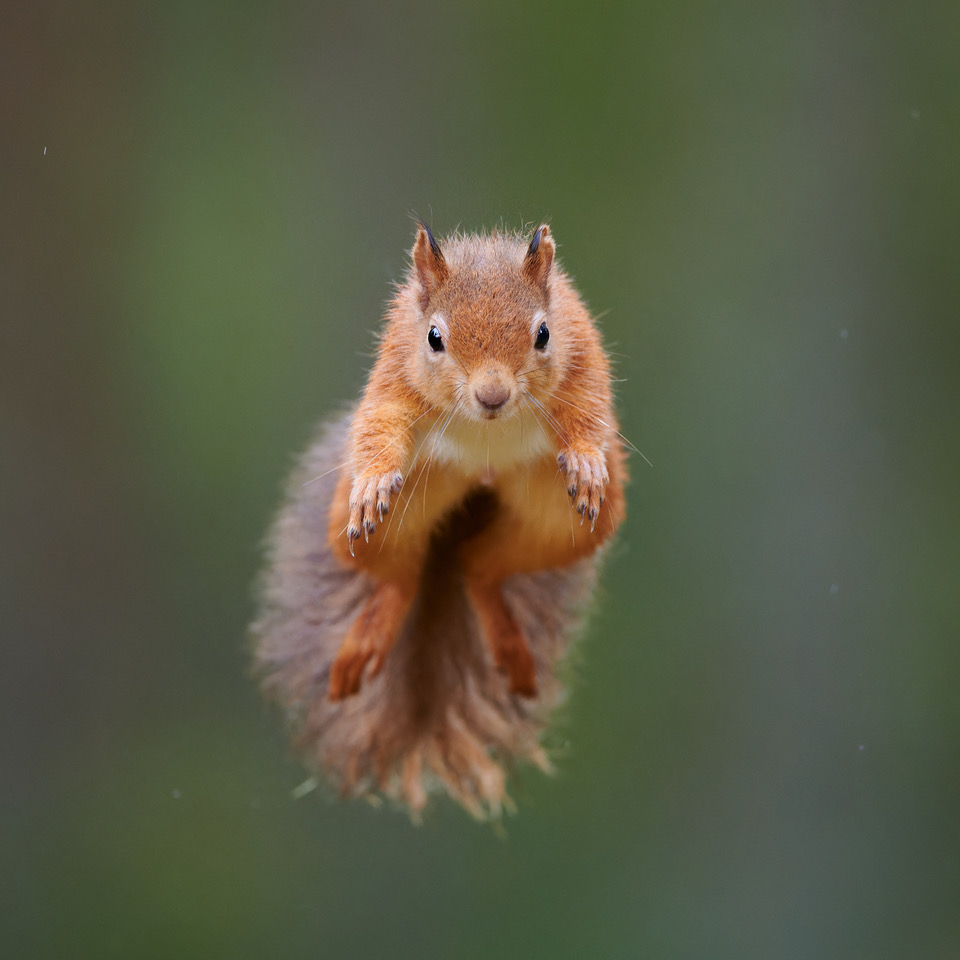
Linda Di Maio Portfolio
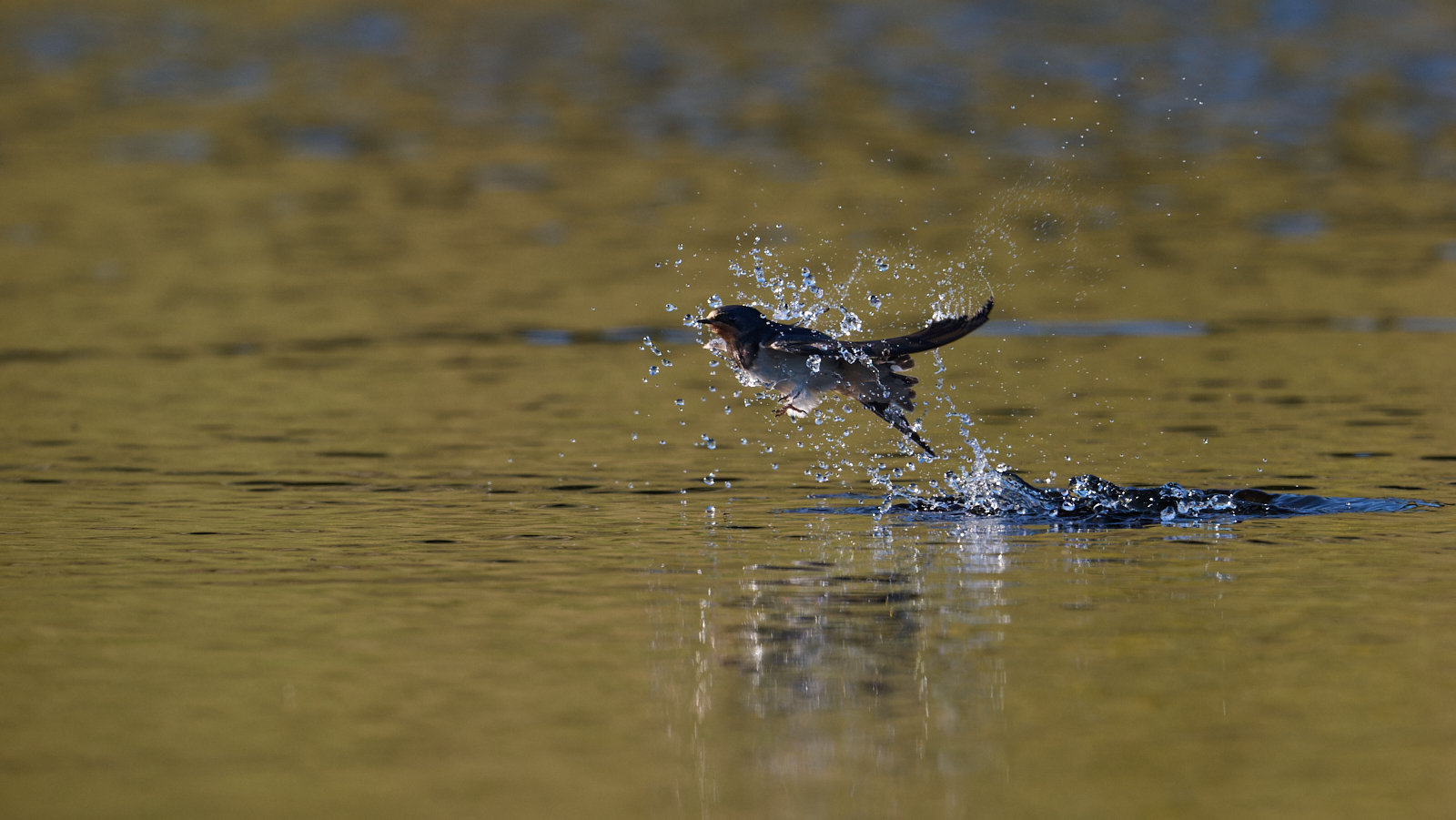
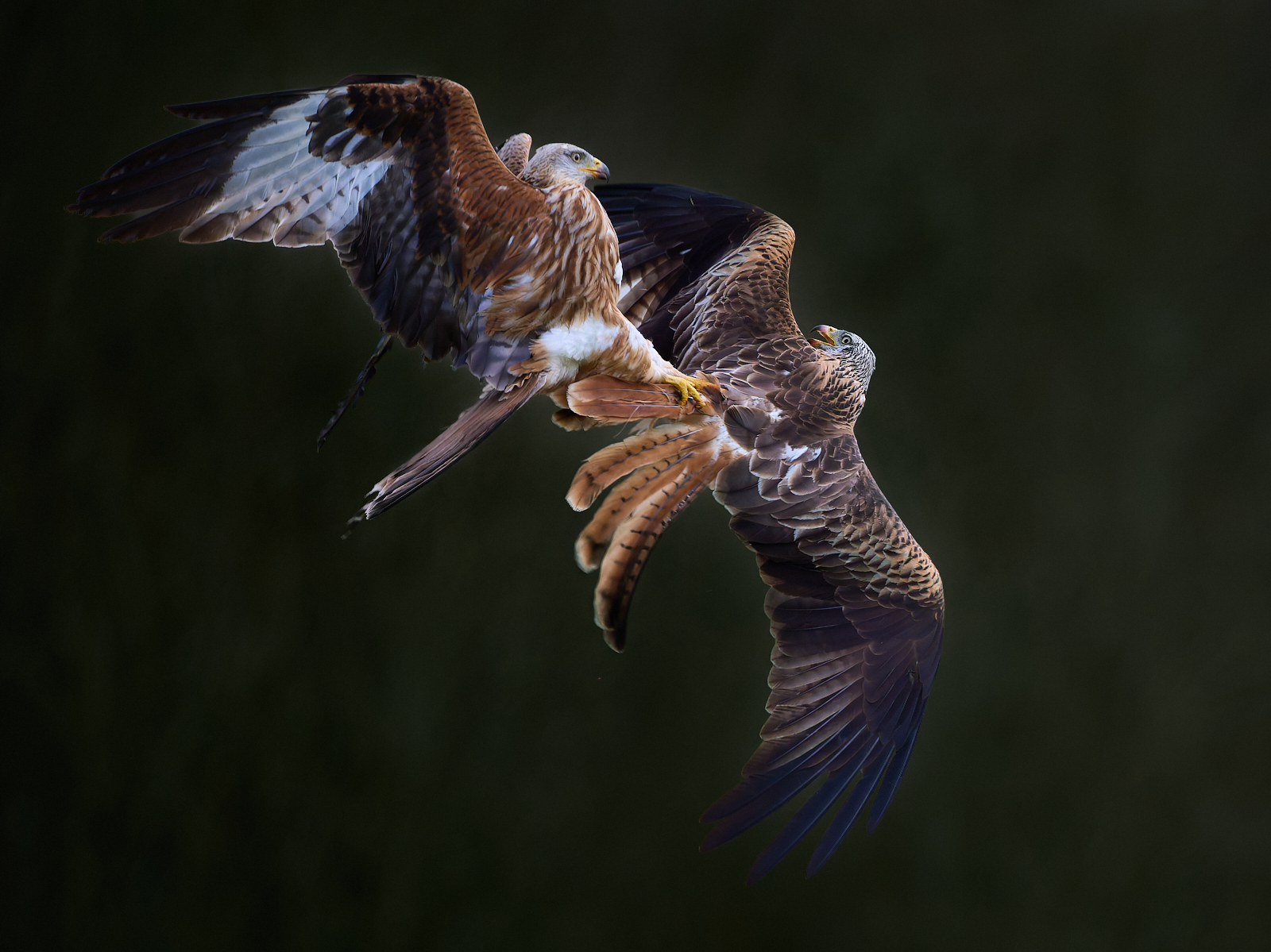
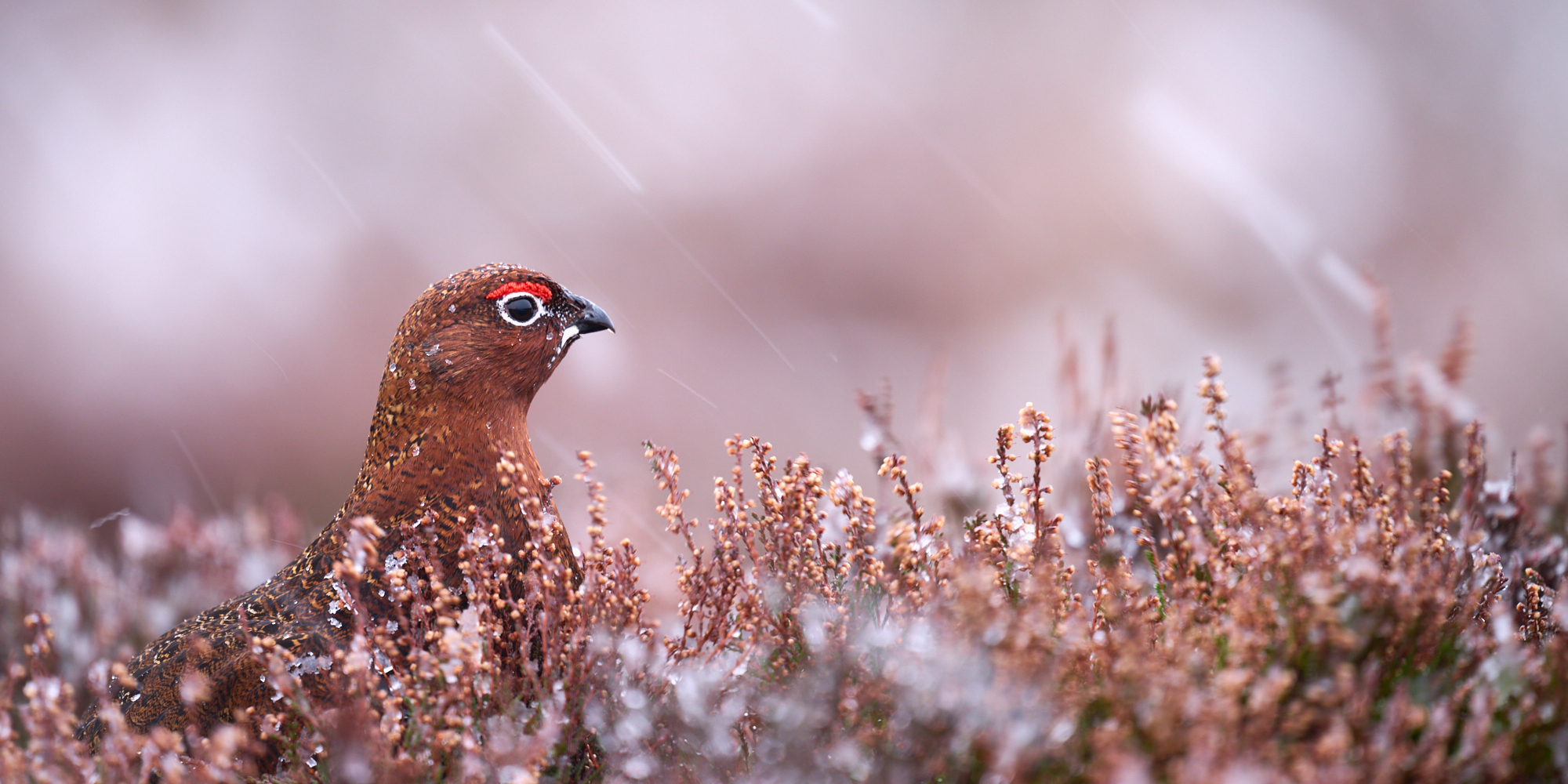
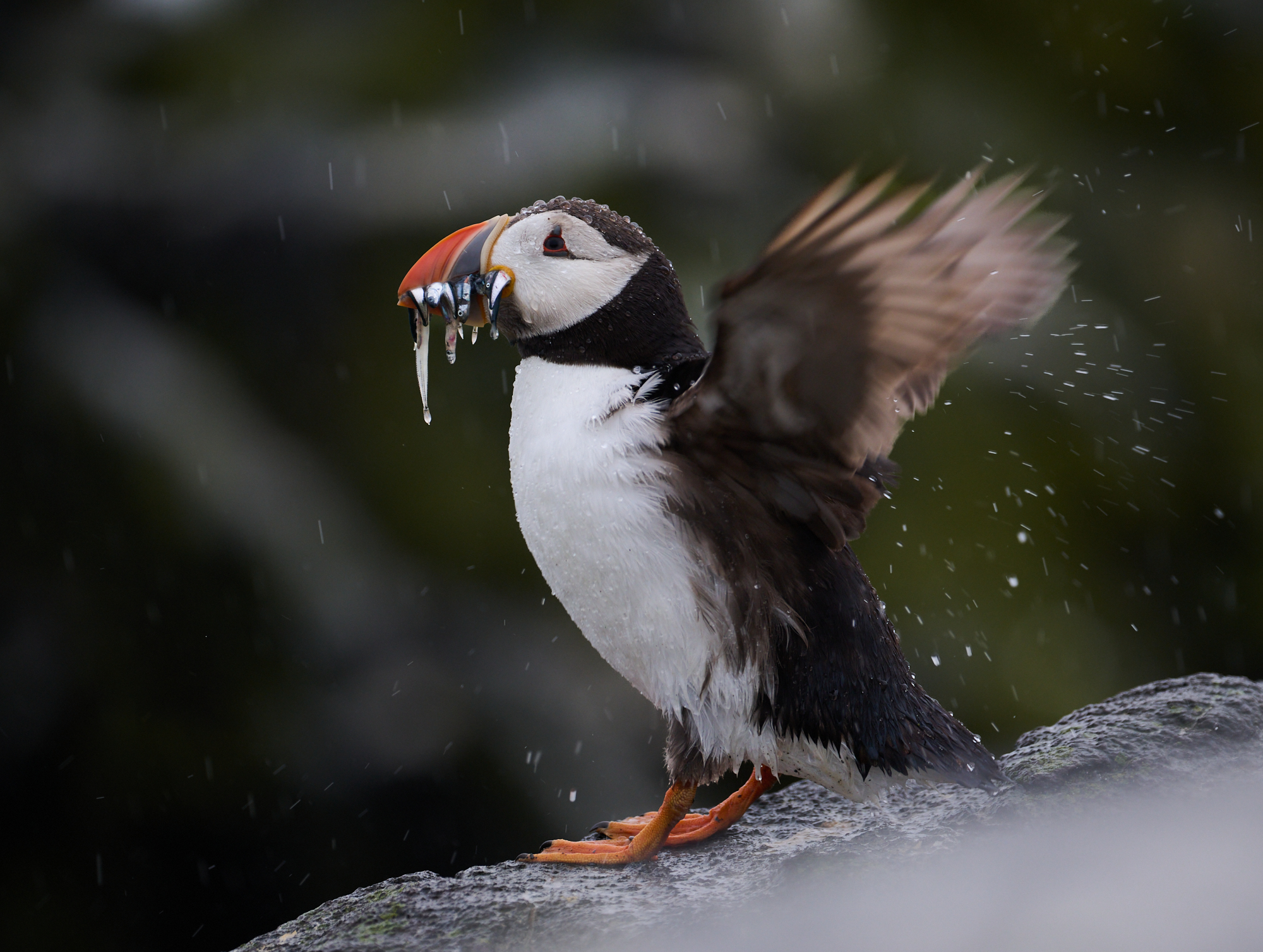
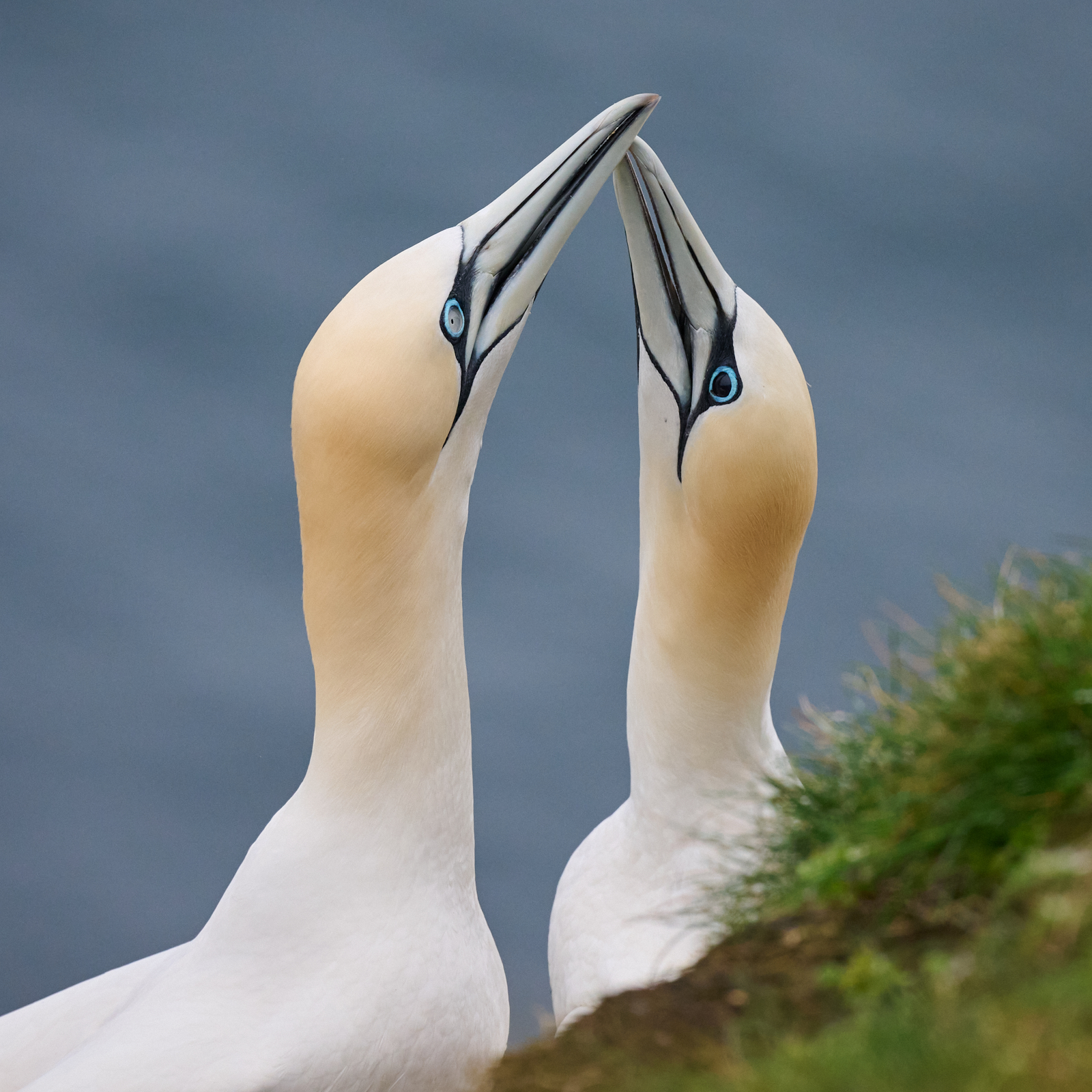
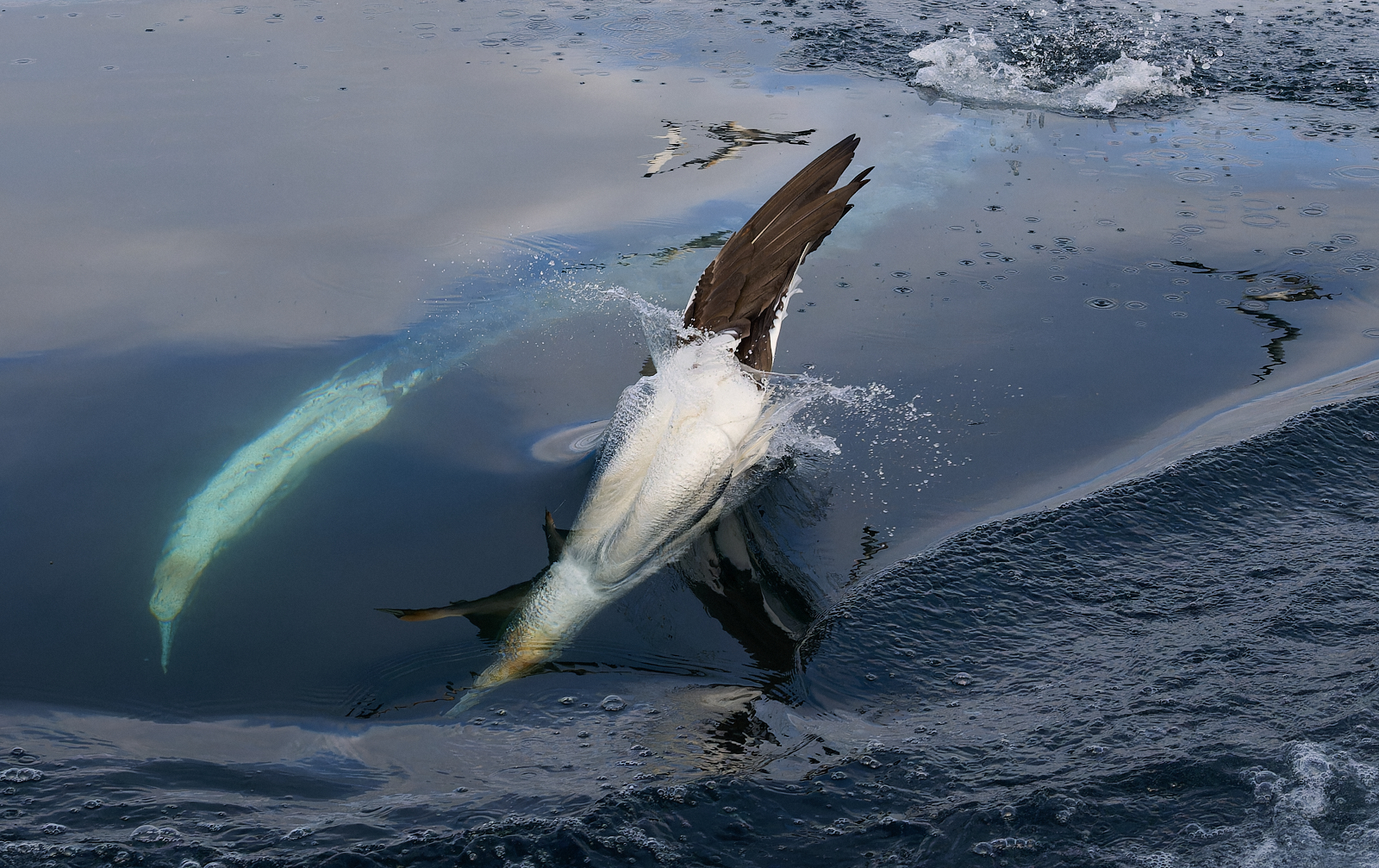
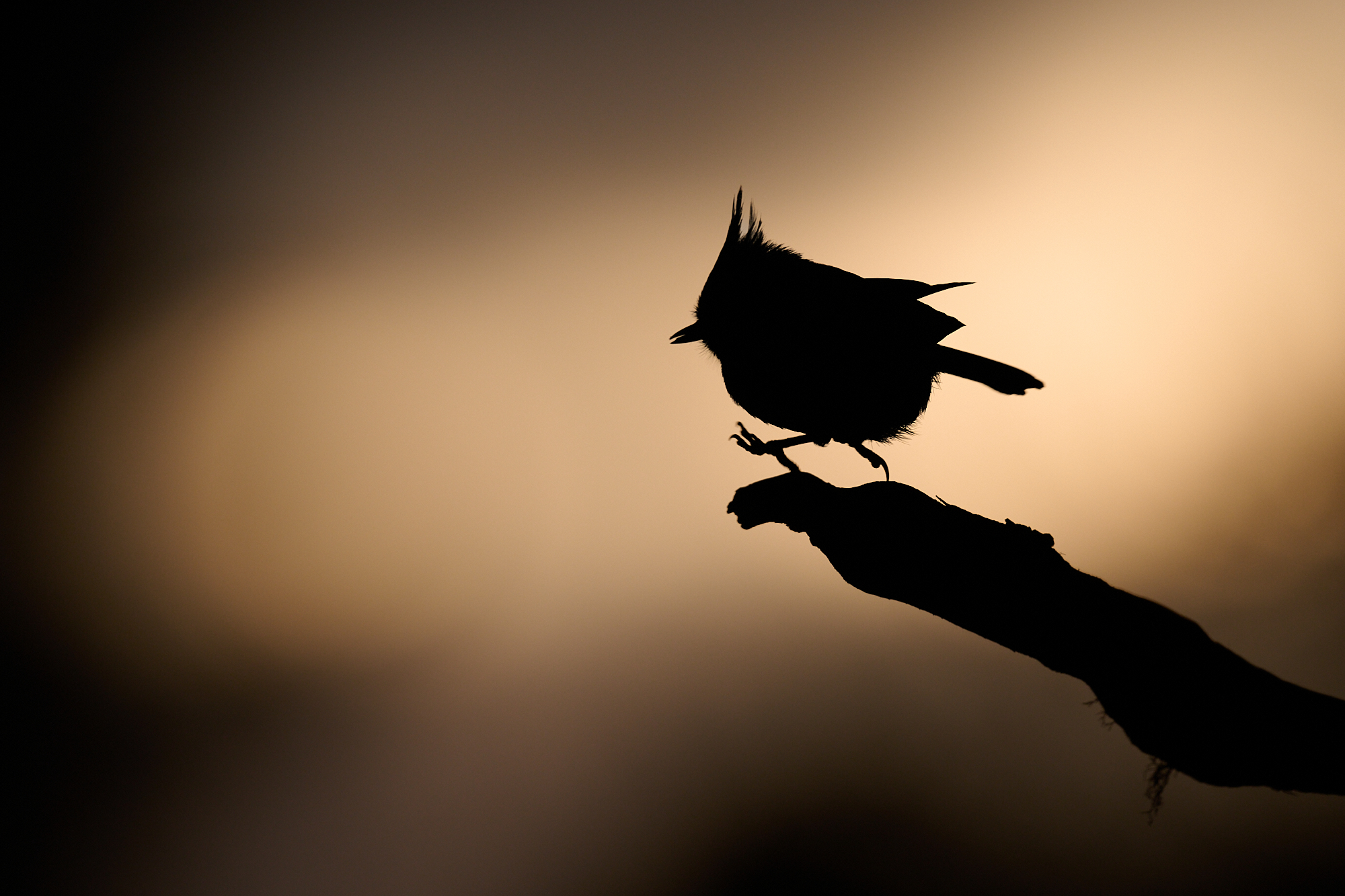
Click on any of the images to see a full screen slide show.
 Visions Photography Club
Please leave a comment - we would love to hear from you.