
The first Visions photographer to feature in what hopefully will become a series of interviews and portfolios of their favourite photographs.
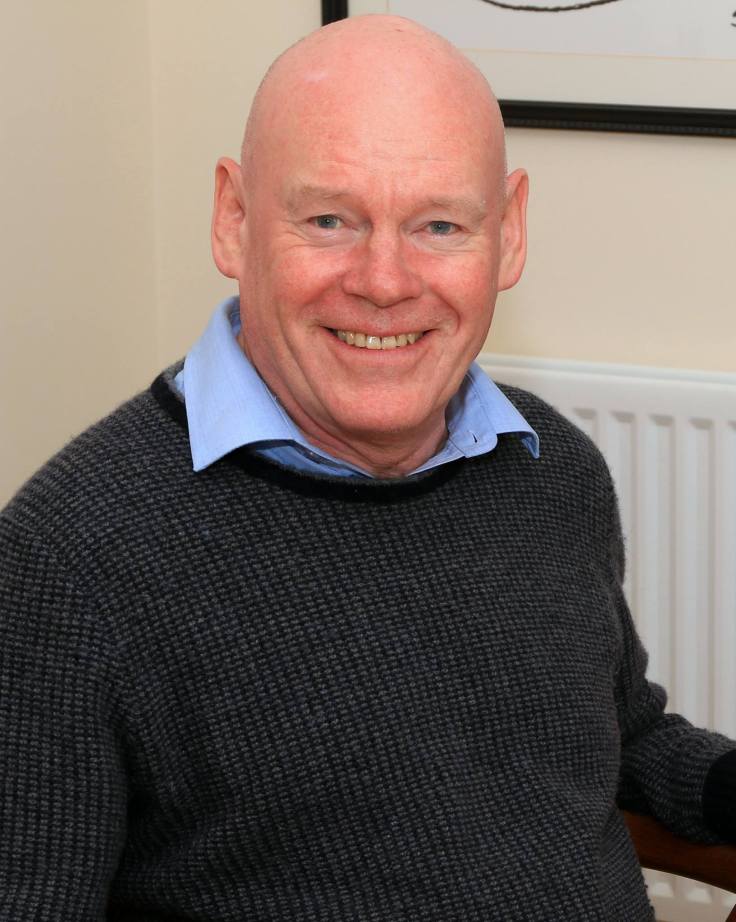
Graeme is a longtime member of Visions and we know him as a keen street photographer. Quite a few of his best images are in a high contrast monochrome style. But as we shall see there is more to his photography than that. He is also the official football photographer for his beloved Brechin City Football club.
Would you like to start by telling readers a little about yourself – where you grew up and what early interests you had?
I grew up in Cambridge and then Edinburgh – only moving to Aberdeen in 2011. The early interests I had were drawing, photography and Airfix Second World War aircraft model making.
How and when did you become interested in photography?
My Dad got me interested in photography. He gave me his old Box Camera which took 120 films. I must have been about 9 or 10. Later I was given a Kodak Twin Twenty Camera.
A friend who I played football with, had a younger brother who was very interested in photography. We both learned the skills of developing b&w films and enlarging and printing photos together. Until I started using digital cameras around 2005, I shot exclusively in b &w, always doing my own developing and printing.
My interest in photography was on the wane when digital came along. This and mastering the basics of computers and processing and joining a photo club (Visions) in 2012 sparked my interest again.
Who (photographers, artists or individuals) or what has most inspired you, or driven you forward in personal development as a photographer?
The list could go on for several pages but briefly: I was hugely impressed by an exhibition of Cartier Bresson black and white prints which I saw at the Edinburgh Festival, probably in the mid-70s. This single event sparked my interest in street photography.
William Klein is another favourite – an opposite in many ways to CB – He talked of the world being made up of “indecisive moments”. One of my favourite books is by Mary Ellen Mark “On the Portrait and the Moment”.
More recently Alan Schaller, Raul Canibano and Rupert Vandervell (who I am meeting with in November 2024). What unifies all these photographers is that they work mostly in B&W. Away from street photography, I like fashion photographer Rodney Smith’s work. My favourite non street photography book is Ragnar Axelsson’s “Artic Heroes”.
Would you like to choose 2 or 3 favourite photographs from your own portfolio and tell us a little about why they are special to you, or your experience of making them?
I have chosen two of my recently taken photos which I like. I find it easier to remember what I did and an older one which I remember.

There was a strong overhead sun in this old quarter of Marrakesh. I had noticed these scooters whizzing past with young Marrakeshis on board. I positioned myself evenly between the two street bollards to provide some symmetry. I underexposed on my standard meter reading by 2 stops so that I could ensure that the scooter and its riders were silhouetted. And waited for a scooter to pass by with some contrasting action in the background. I had to wait for a while but I liked the way the traditionally dressed woman contrasted with the younger people. The fact that they were travelling in different directions was a bonus.

The Corpus Christi celebrations (dating back to the Middle Ages) are a joyous event for most people of a Roman Catholic faith in Cadiz. A large number of the population either take part in the procession or watch it.
From a photographic perspective it can all feel a bit overwhelming and difficult to know what to take. With this in mind I climbed up on to the base of a statue to get a better view and to use my fellow observers as a frame for the action in front of us. I had to crouch down a bit but eventually managed to get a clear gap between the onlookers. I felt the sheer drama of the occasion was captured more dramatically by isolating it within a frame.
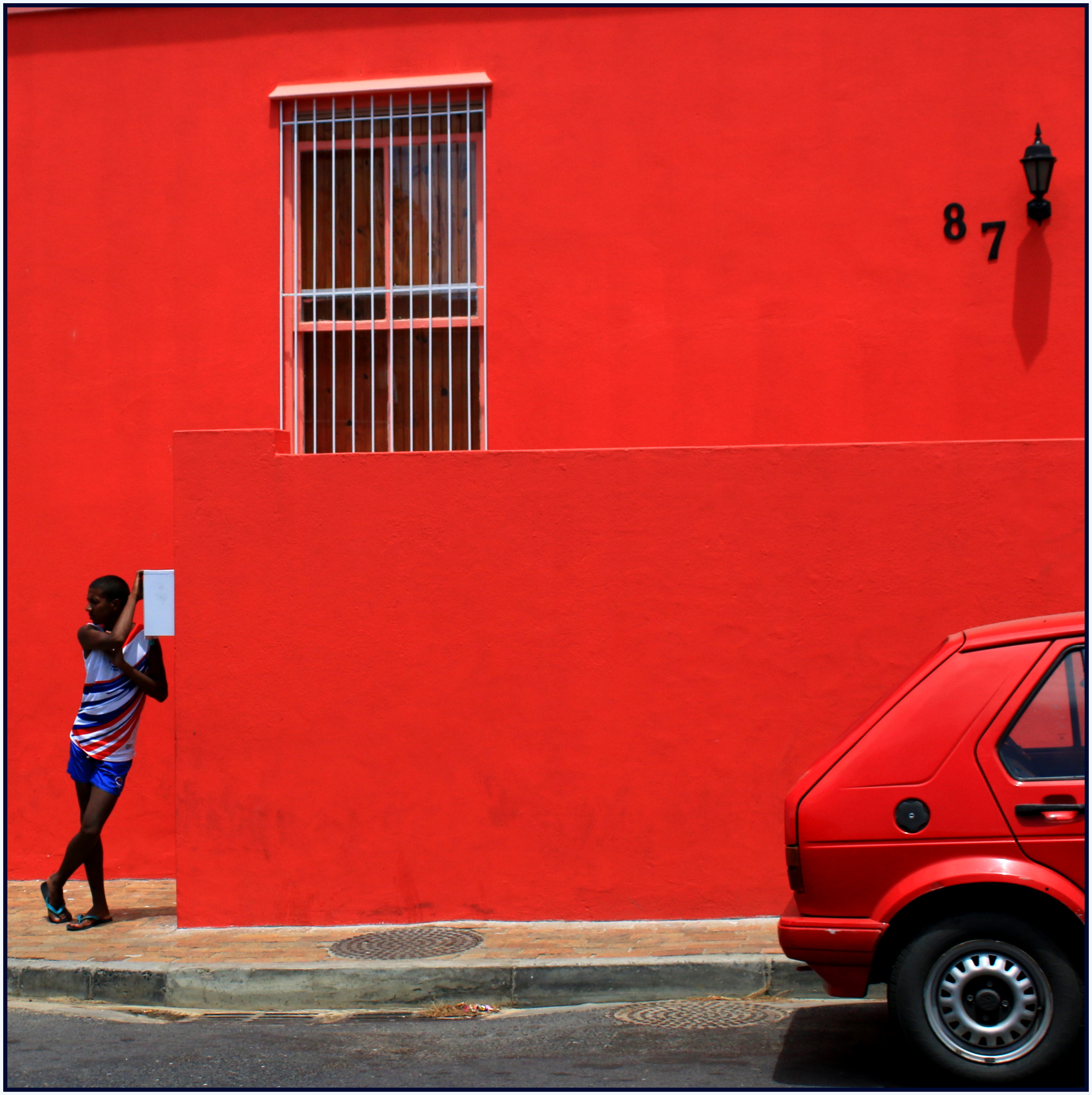
The Bo-Kaap is an amazing, colourful area of Cape Town in South Africa with contrasting vibrant colours everywhere. It is a multicultural neighbourhood known for its brightly coloured homes – many of which date from before the 1850s. It’s a very popular destination for tourists. The trick then -as with any popular spot for visitors – is to try to avoid the obvious “postcard type” shots.
With this particular area the challenge was to get an interesting composition which didn’t have too many distracting colours and details in it.
I often use conventional compositional techniques – the so called “rules” because they can work well. But the big risk is that your photos can be become a bit repetitive, predictable, and formulaic if you use the “rules” all the time. I am therefore tempted to try out some different, more unusual and hopefully dynamic approaches to composition.
With this particular shot I positioned the camera so that the four elements of the photo were towards the edge of the frame- to provide something a bit unexpected and to force the viewer to look towards the frame’s edges. The boy and the car are facing in different directions – again pointing the viewer towards the edges of the photo.
I decided to use only one predominant colour to remove distractions and to streamline the scene. The portion of the red car mirrors the colour of the wall. I wanted a simple but bold shot of a very colourful part of the world.
Can you give readers a brief insight into your set up – from photographic equipment through processing? Which parts of the workflow especially interest you?
I have two Fujifilm X series bodies and tend to only use fast primes, 24mm, 50mm, 75mm and 135mm -all full sensor equivalent. If I want to go very wide I have a 15mm – 35mm equivalent zoom. I love the fact that with these cameras you can control everything with your fingers and you don’t have to delve into menus. I travel light, one body with 2 lenses. Keep things simple is my motto.
I always shoot in manual but with auto ISO – the best of both worlds.
I only use Lightroom and then Picasa (to finish things off). Until recently I was mostly interested in in minor tweaks in Lightroom but in the last year or so, with the advent of AI I spend more time in Lightroom. I’m a particular fan of the AI generated masking tools which if used carefully can transform your images and direct the viewer to what you want them to see.
Street photography is obviously your niche in photography. Can you tell us a bit about the challenges of this genre and how you deal with these.
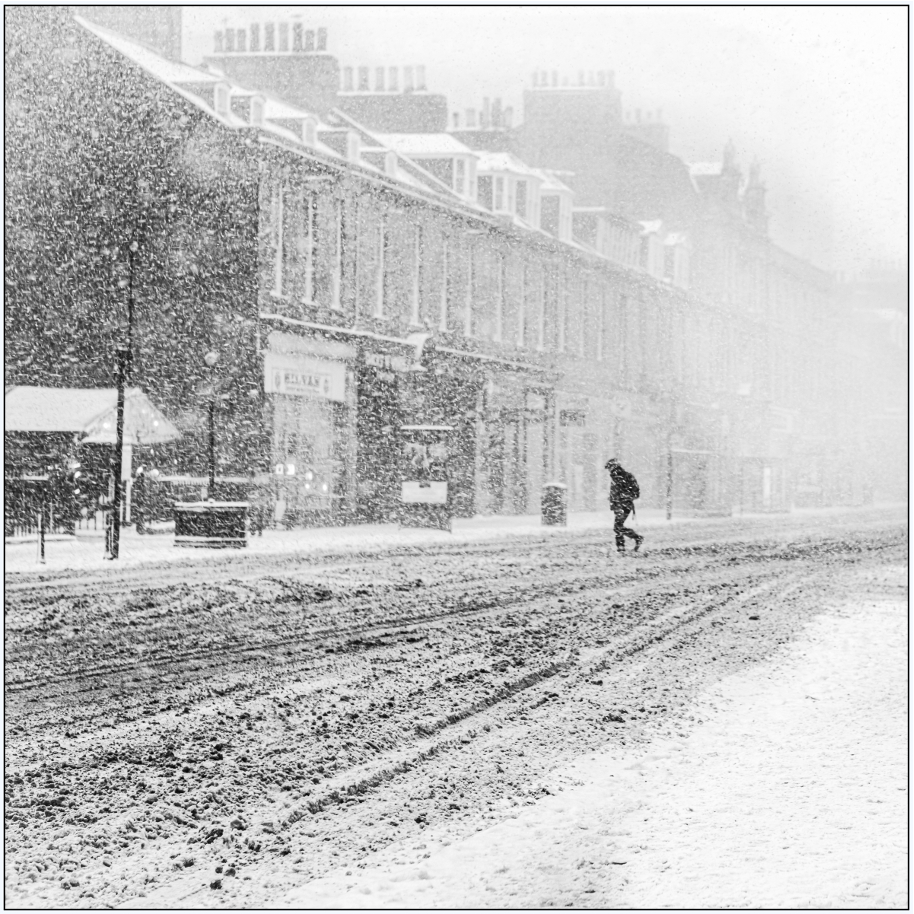
It’s probably a little bit difficult to talk about how to go about street photography. It’s not like going to the Bullers of Buchan where you have a specific aim in mind. With street photography you have to observe what is going on around you (unfortunately it’s not always that interesting so you have to persevere!)
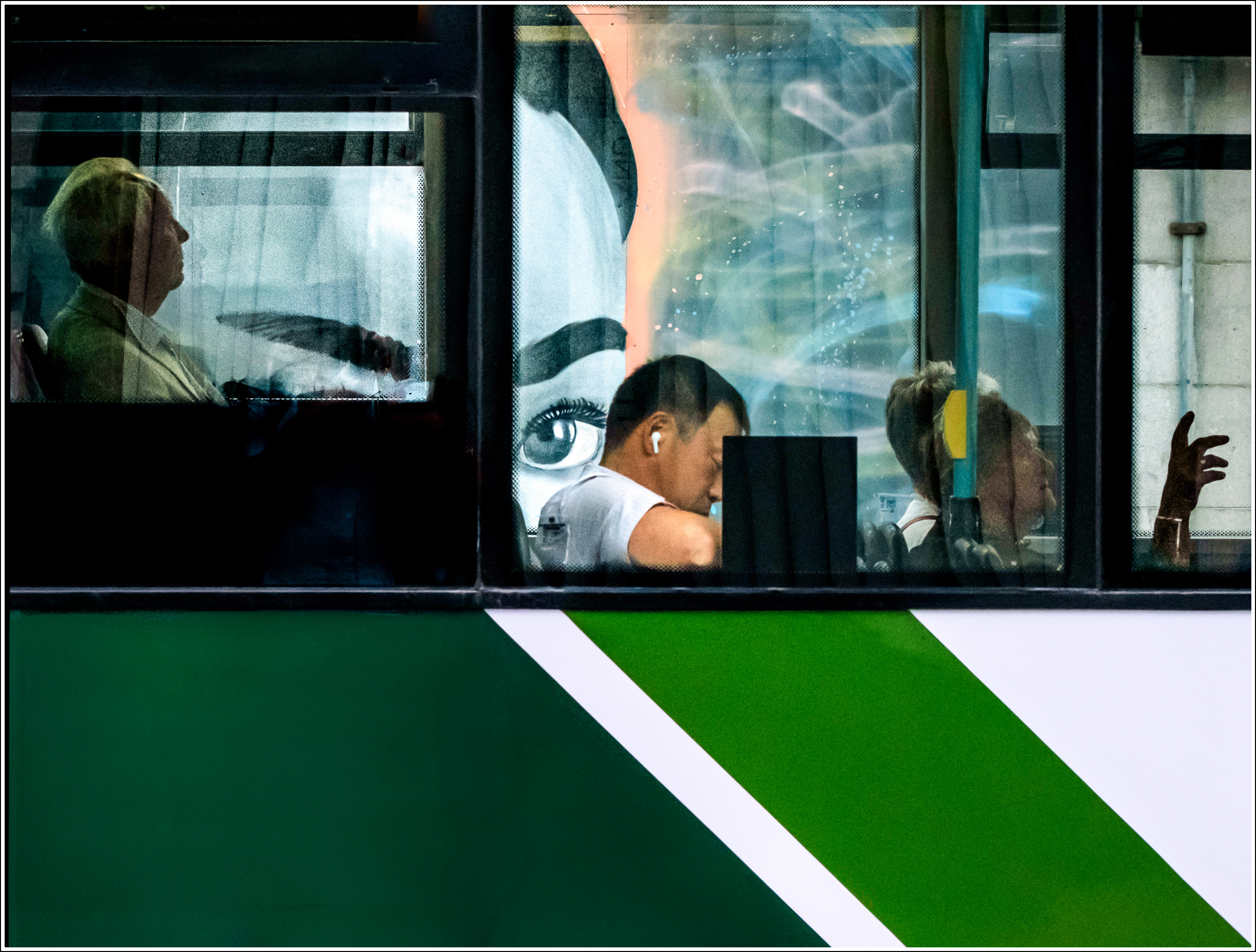
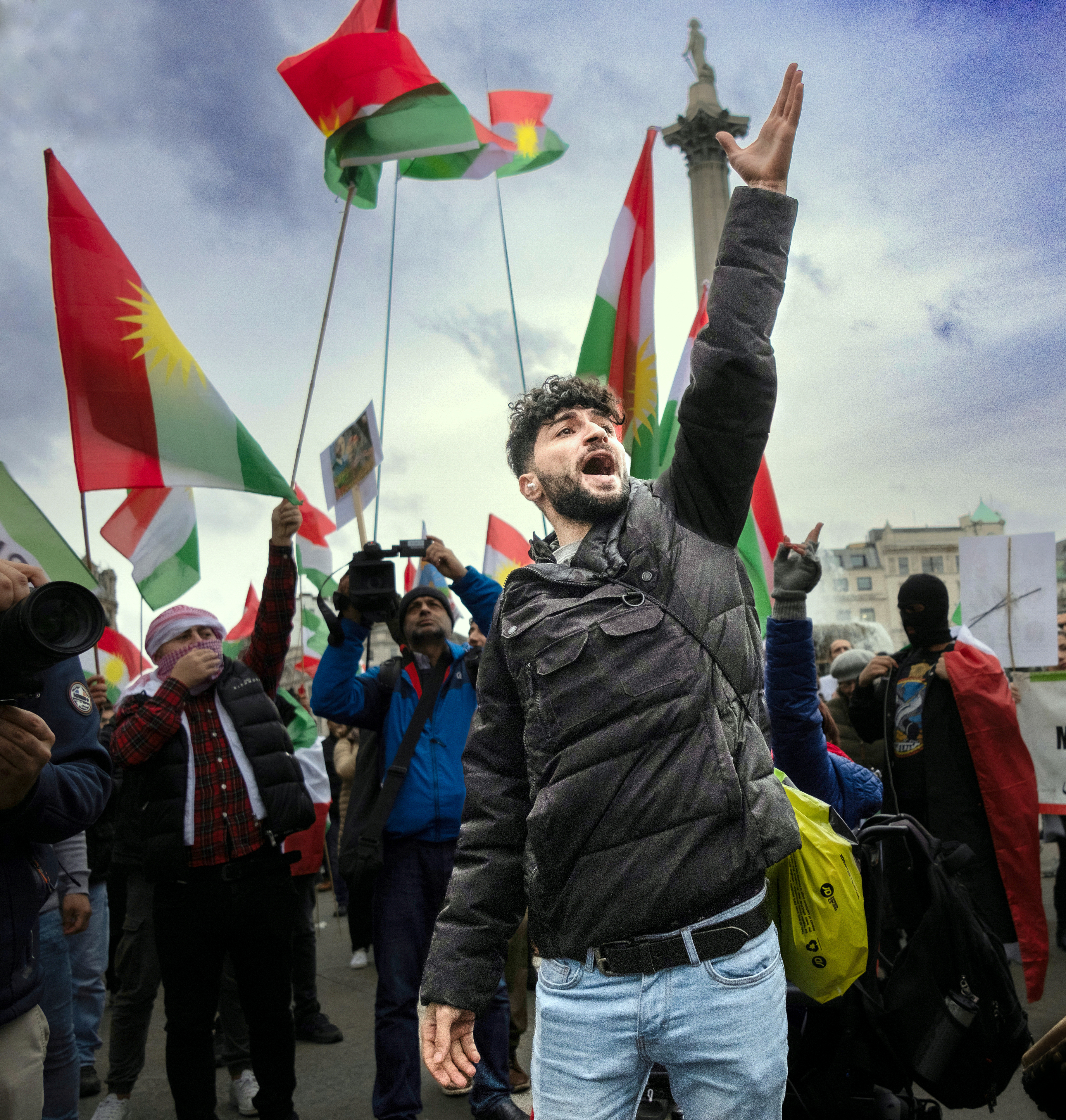
Taking photos of random strangers doesn’t cut it. You need to make an interesting moment out of everyday scenes – something that resonates with the viewer. You need to be an interpreter with the camera. Show your point of view, make connections or produce something aesthetically pleasing. Don’t be overly literal.
The camera is unique in the various art forms in that it is capable of capturing a single moment in time. The camera therefore lends itself more to action shots whether that’s street photography, wildlife or sports than it does to more static subjects, in my opinion.
Unlike some other “genres” you don’t need expert knowledge or specialist equipment. But you do need patience. Another bonus is that there is not often any travel time, it’s right on your doorstep. Also you can use virtually any camera you have or a phone.
It’s probably quite a solitary pursuit. It’s certainly not a favorite subject in any camera club I’ve come across.
You recently did an interesting talk on your use of Chiaroscura lighting at Visions. Can you tell us a bit more about this.
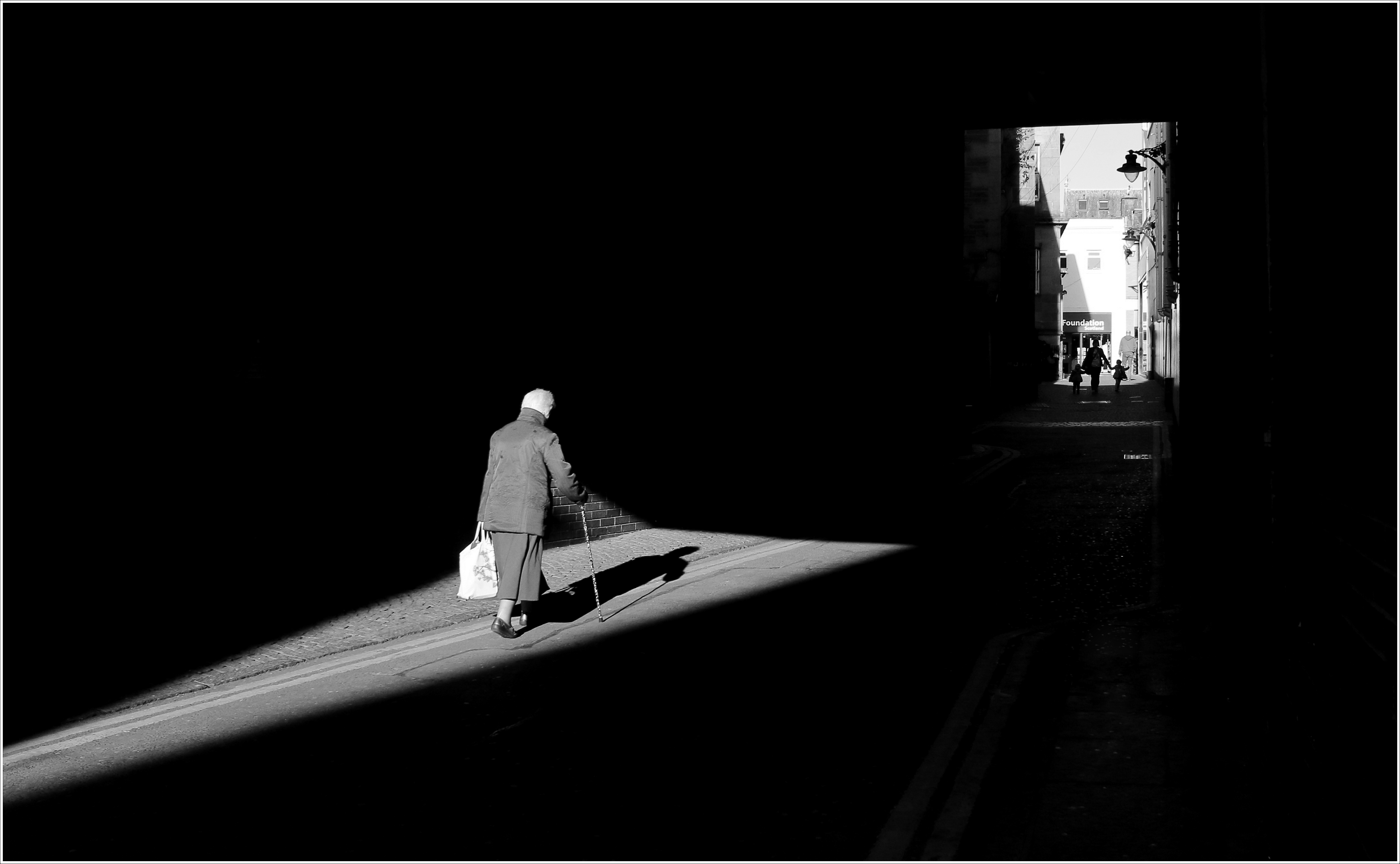
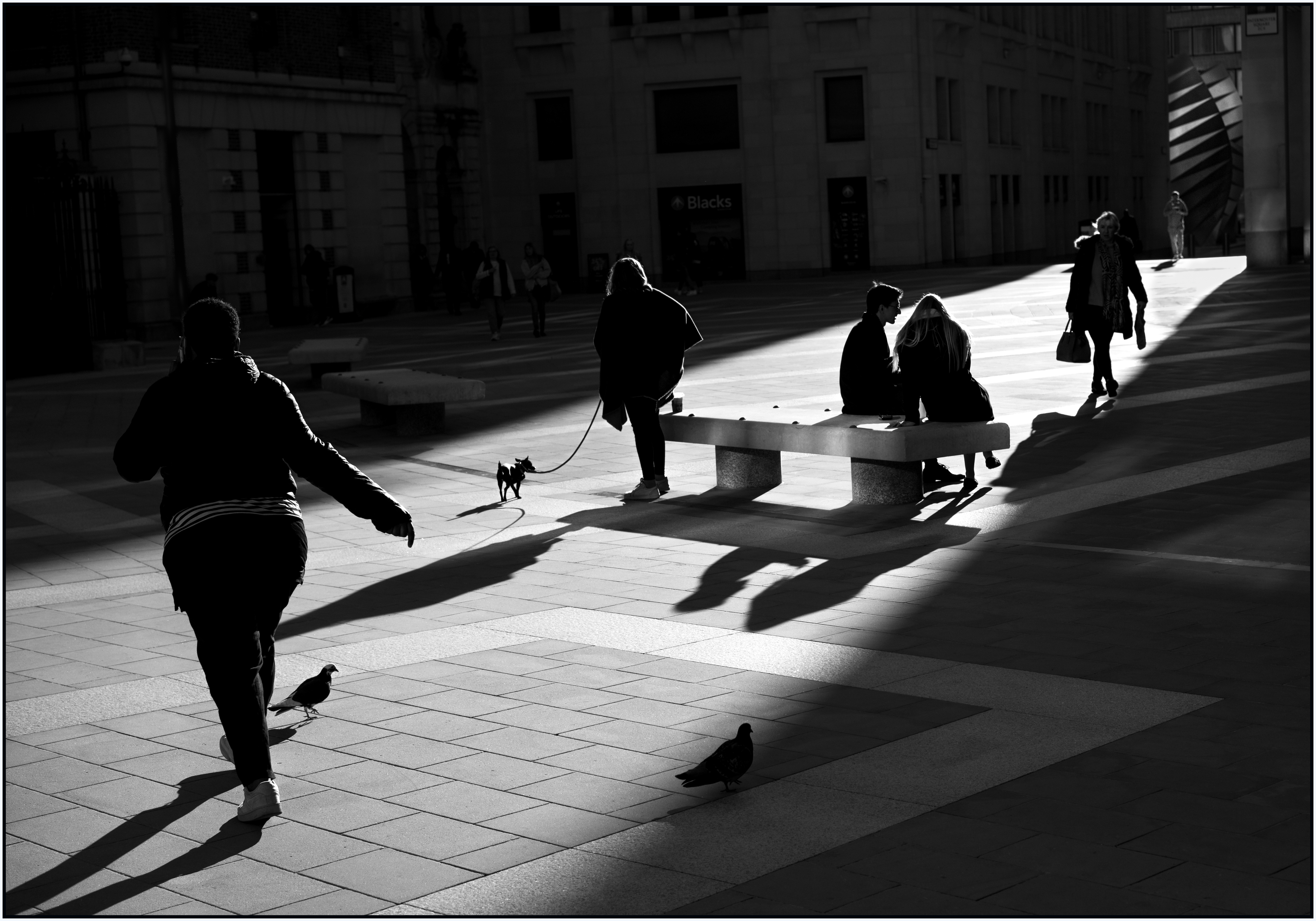
With regard to chiaroscuro this is in essence an easy technique where you are exploiting the weakness of your camera to record the same dynamic range as what we see with our eyes. In a contrasty scene you are getting your camera to record correctly for the highlights by either spot metering on the highlights or underexposing by two to four stops on the average meter reading. It’s as simple as that.
In the right conditions it can have a transformative impact on your photo.
Outdoors strong low sunlight conditions work well. Inside you need to look for scenes where there is low light and one or several strong beams of light.
We know you are also the official club photographer for Brechin City football club. How did you get into this and do you have any tips for budding sport photographer?
I have been a fan of BC since the mid 60s. I spent much of my childhood in nearby Edzell where my granny lived. I have been a season ticket holder for many years. When the opportunity to become the club photographer came up in 2019 I jumped at it. I am a fan first and foremost and my interest in football photography stems from this. But I love trying to capture the action as best I can. Unlike some other “genres” of photography I firmly believe that the quality of your photographic equipment is of paramount importance. You need the best and fastest lenses possible and crucially you need a sensor that can cope well with low lighting – and as far as I am aware cheap ones don’t do it! I have been using two 10 year old Canon DSLRs but have recently purchased the mirrorless R5 MK 2. I am still trying to get to grips with the focusing system. You are meant to combine conventional focus tracking, with the camera’s AI “deep knowledge of football movement” option and face recognition !
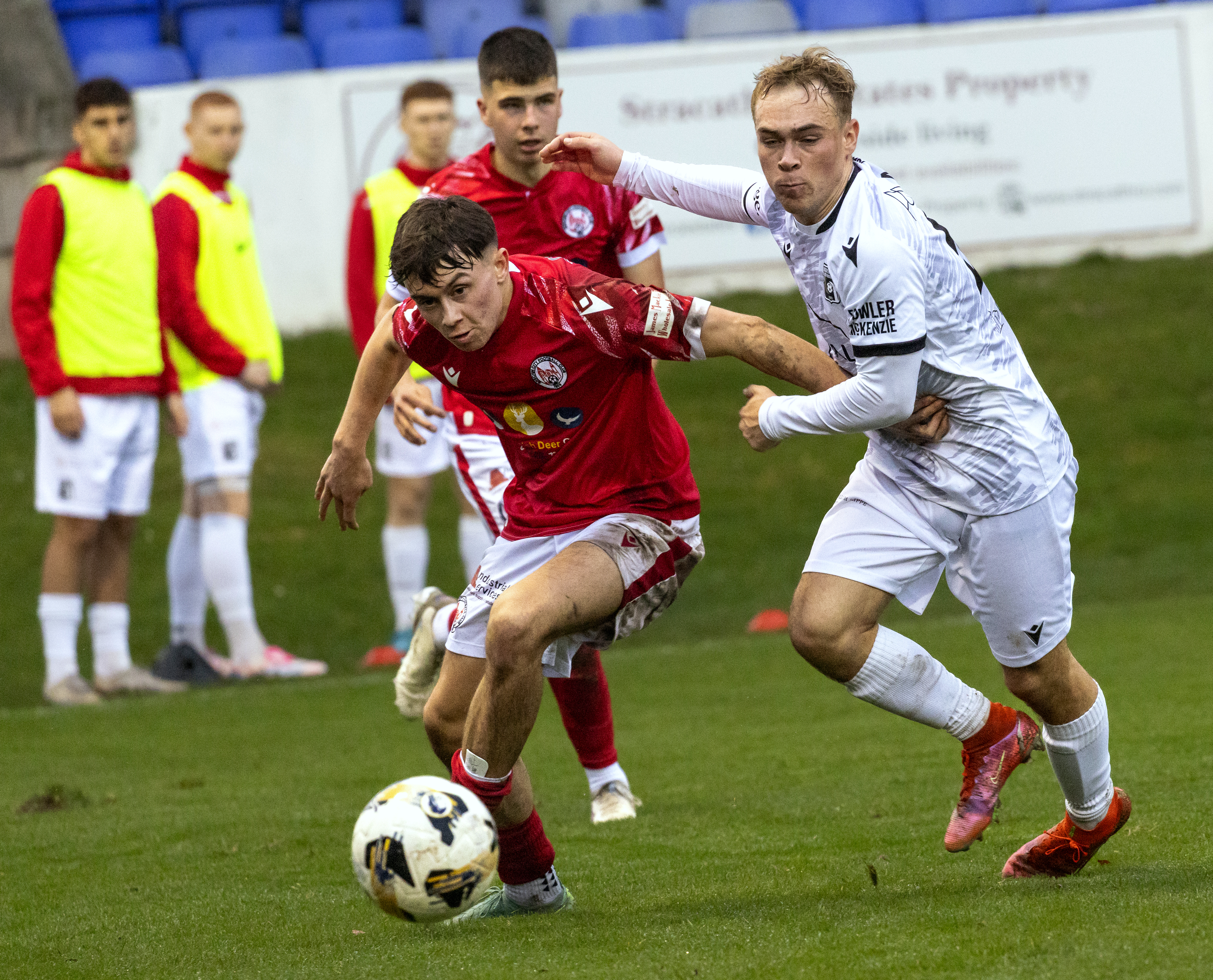
Being a club photographer you have to be prepared to be involved in lots of other activities e.g. mascots, family events, supporters’ evenings etc. Probably the most challenging thing I have had to do is to scream myself hoarse at a group of 250 youngsters to form an orderly group – whilst I was perched on the top of a ladder!
It’s a nice role – you have a captive audience who appreciate what you do.
You do enter quite a lot of competitions I noticed. What inspires you to do this?
Probably a long list of not particularly positive qualities!! i.e. competitiveness, self-promotion, showing off, becoming addicted to competitions etc. But in the absence of being on Instagram and being told that it is vital to have a social media platform I use Photocrowd in this way to showcase my photos on social media.
Competitions can also give a very definite focus to what you are doing photographically. And it is fascinating to see how others interpret the brief.
Are there any projects you are currently doing and any planned for the future?
Two at present, Union Street over a Year (2024) – the changing seasons, different times of the day, life going on, different lighting. I was hoping to spend 52 hours on Union Street but have only spent a third of that so far -and at time of writing there are only 6 weeks to go! What this project lacks is a clear idea of what I am going to do with the set of photos at the end. But never mind I have taken a few individual photos which I quite like.

Also I am keen to build a portfolio of graphic style / no mid tone photos taken on the London Underground of trains arriving at stations.
I also like to have several “triggers” on the go. Food in action, glass which has water or condensation on it and concrete are three current “triggers”.
Thank you for doing this interview Graeme, I hope you have inspired more people to take a chance at your observational style of photography.
Graeme Youngson Portfolio
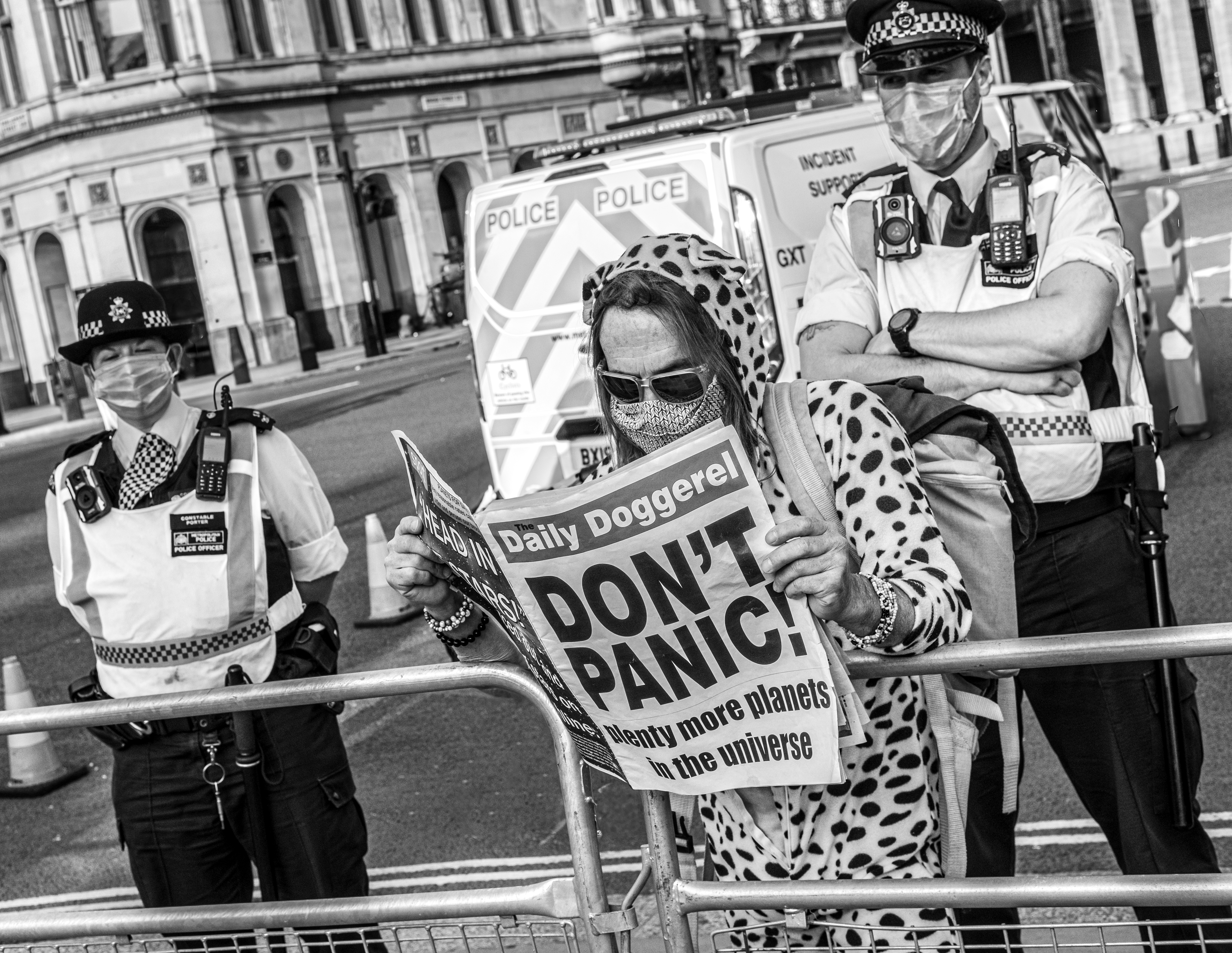
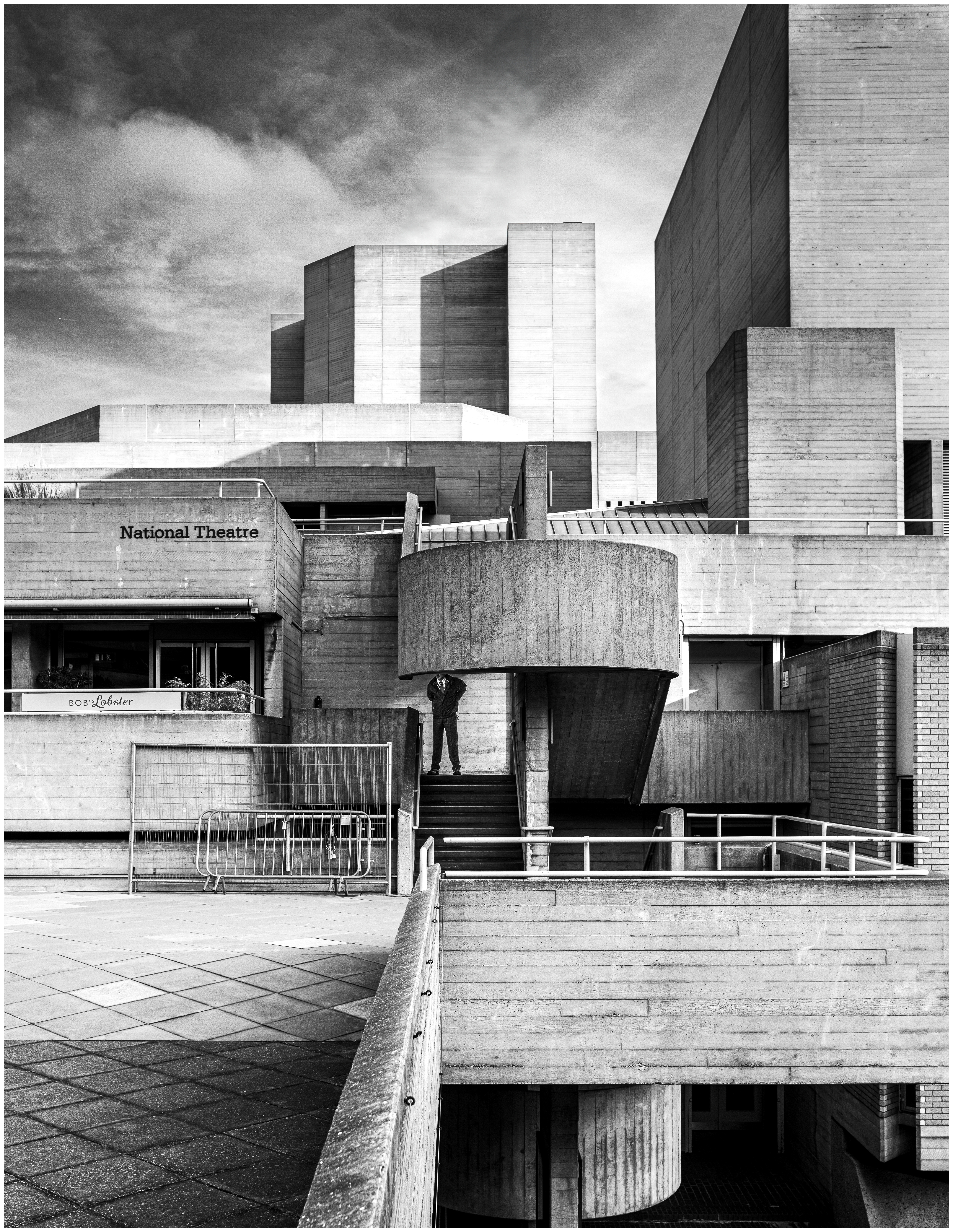
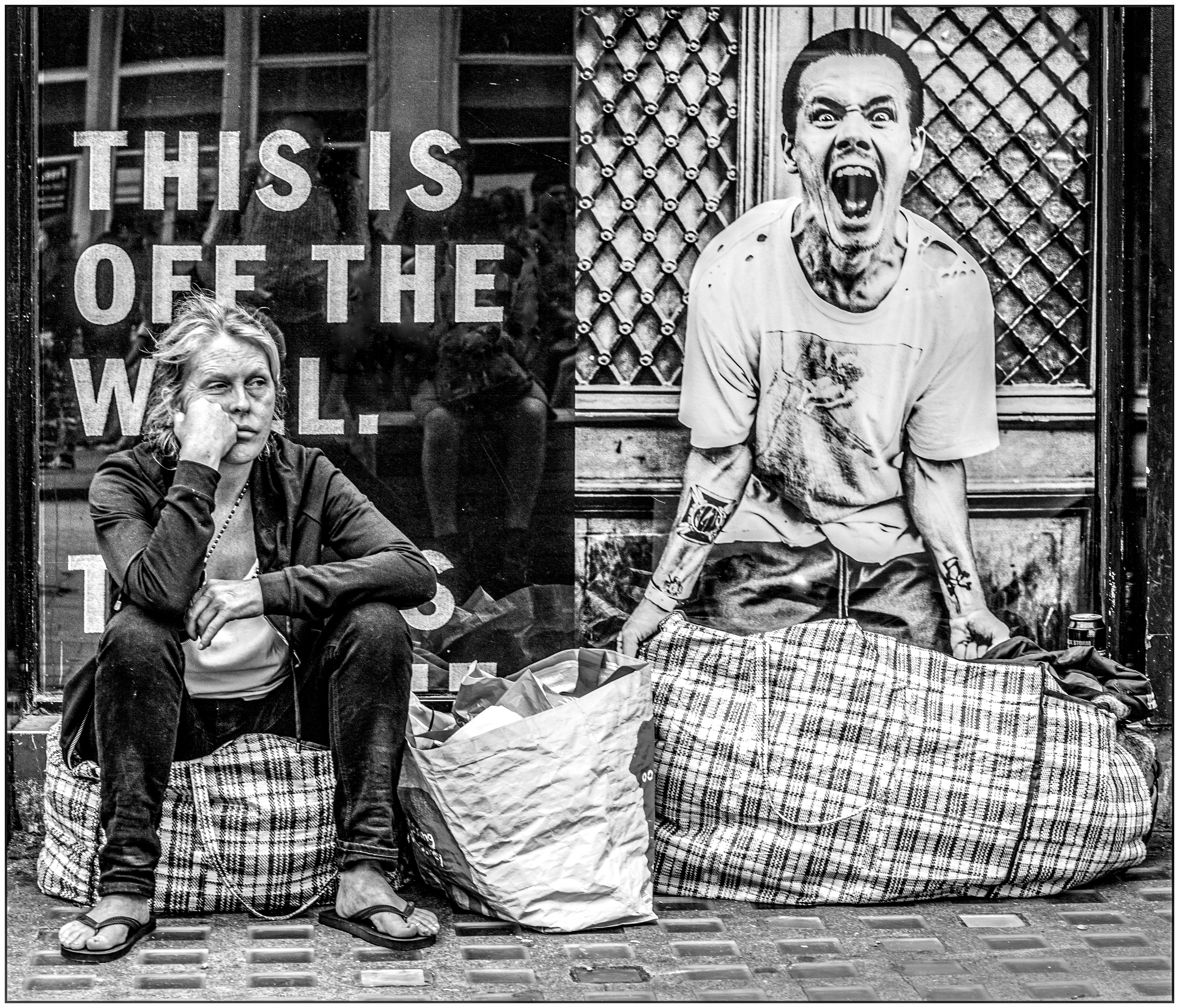
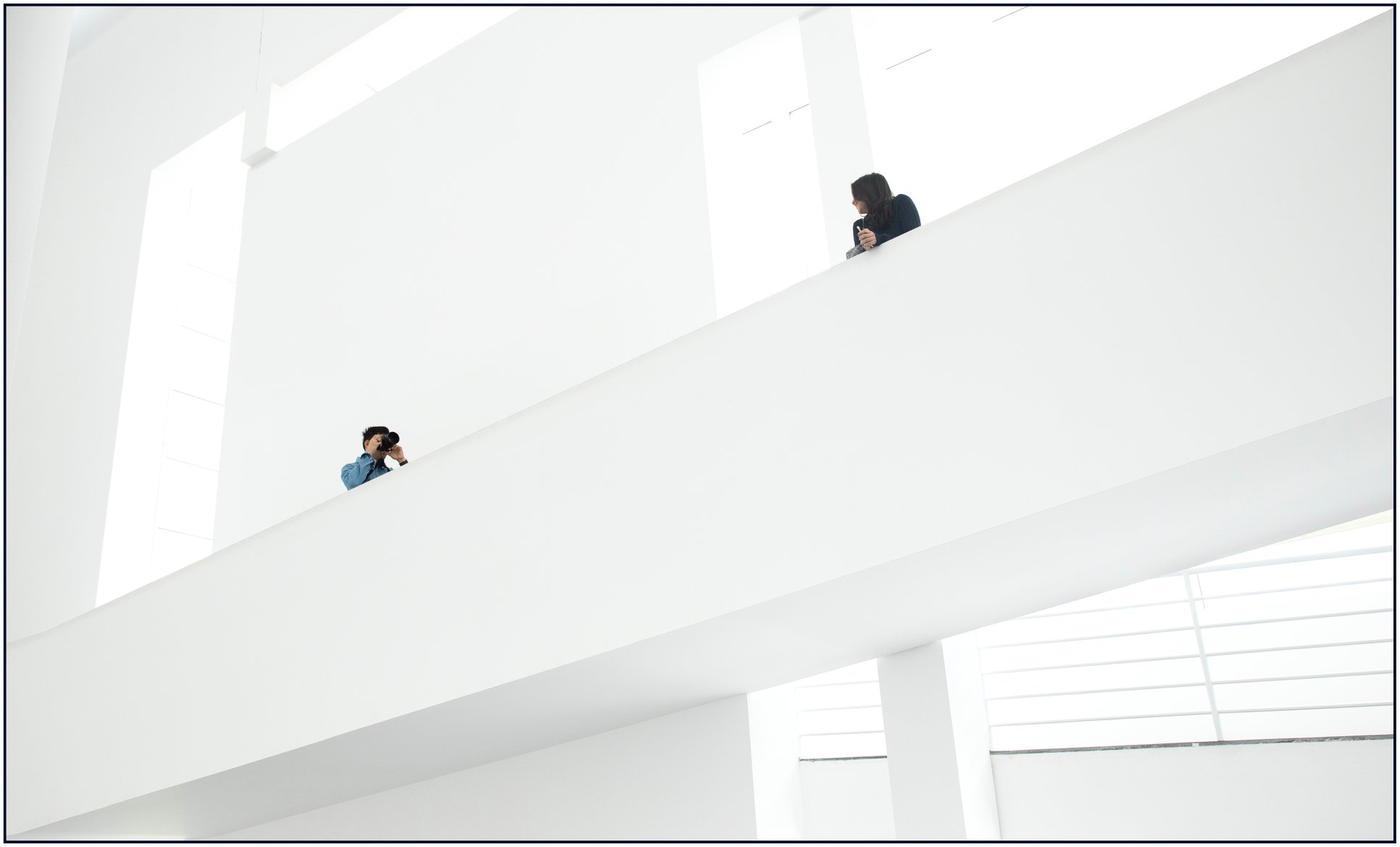
Click on any of the images to see a full screen slide show.





 Visions Photography Club
Please leave a comment - we would love to hear from you.